



Items tagged with Windows
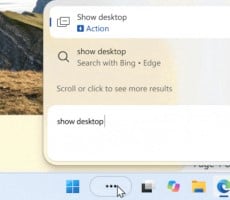
With the latest build, Microsoft Insider Program members have access to an overhauled Search feature, that can trigger many additional actions directly from the search window. In addition to the numerous changes introduced with 26H2, some...
Read more...
Microsoft has scheduled its first major dedicated Windows event in over two years, taking the stage in San Francisco on October 7 to showcase the next era of local AI in personal computing.
Get ready for the next step...
Read more...
While the latest wave of Patch Tuesday security updates for Windows 11 once again broke Microsoft's previous best record for the most security patches in one update, those 974 fixes still broke some stuff. The good news is that Microsoft...
Read more...

Remember over a year ago when we reported on the ClickFix malware that uses fake CAPTCHA mechanisms to dupe unwitting victims into pwning their own machines? Well, apparently not enough people shared that post, because the problem has...
Read more...
Google is expanding its desktop footprint by releasing a dedicated Gemini app for Windows 10 and 11, with support for both x86 and Arm. Having already arrived on Apple's macOS several years, having access to Gemini in a Windows app means PC users no longer have to keep a browser tab...
Read more...

Microsoft has discovered a Russian malware campaign called CaptiveCrunch, which is designed to compromise users of public Wi-Fi with falsified prompts at the captive sign-in screen. This includes phishing pages that steal logins or even falsified Windows or Android system update/download...
Read more...

StatCounter claims Linux has risen to 10.65% of the United States' web traffic, outstripping Chrome OS at 2.06%, macOS at 8.6%, and OpenBSD at below 1%. That's an interesting number, but the math doesn't add up if you assume the traffic is...
Read more...

As it turns out, the batch of expiring Secure Boot certificates isn't the only Secure Boot-related concern that Microsoft and the public need to worry about this year. ESET Researchers have uncovered 11 vulnerable UEFI shim bootloaders...
Read more...

There has never been a better time to be a bug hunter, whether the goal is patching Windows or breaking into it. With AI now capable of digging up software flaws faster than any human team could manage, Microsoft has announced a sweeping...
Read more...

For those unaware, Microsoft once faked an installation error for Windows 3.1 if a user was trying to install it atop DR DOS, and the story is spreading quickly as a pertinent reminder of the ruthless ambition during the early days of the...
Read more...

AI-powered malware is a growing threat, but the extent of that threat was nebulous until researchers from the University of Toronto, Vector Institute, and CleverHans Lab presented a new PoC (proof of concept) attack developed with a local...
Read more...

Another hobbyist is attempting to recreate the classic free Windows game, 3D Pinball For Windows: Space Cadet, better known as Space Cadet 3D Pinball, and since that hobbyist is CNCDan, who is known for actually completing his projects...
Read more...

It's a great time for fans of premium controllers: not only did the new Steam Controller just release to high sales and critical acclaim, but now leaked photos confirm the existence of an Xbox Elite Series 3 controller.
The first Elite...
Read more...

Notepad++ is in the news again, though it's more of a mixed bag than its last report. In short, an unlicensed Mac OS port was released for Notepad++, which is usually Windows and Linux-exclusive. In addition, this particular Mac OS port is...
Read more...

In Microsoft's latest plan to clean up and optimize Windows 11 and make it the premiere gaming platform, even minor system functionality is getting a second look. For the latest Insider Preview build, that means improvements to how Windows...
Read more...

Update 5/21: Since this article was released, recommend mitigations for YellowKey and other attacks have been released, as well as a full patch for BlueHammer.
A cyber security expert that goes by the name Nightmare-Eclipse attempted...
Read more...

A new malware campaign has been uncovered by the security researchers at Malwarebytes Labs, which steals sensitive and personal information from unsuspecting Windows users. It has proven to be an effective attack thanks to both how this...
Read more...
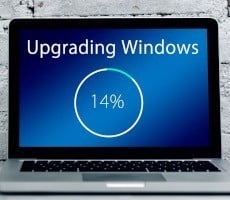
If you have found Windows 11's feature rollouts confusing, Microsoft hears you and is overhauling the Windows Insider Program. Now, instead of three Insider channels, there are just two: Experimental to replace Dev and Canary, and the...
Read more...

Unless you're on a PC managed by an enterprise IT department, Microsoft is forcing all Windows 11 PCs to update to Windows 11 25H2. "Machine learning" is being used to select which PCs receive the update first, but it's clear that...
Read more...
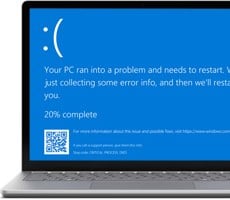
A new study focusing on shadow AI, security gaps, and device instability has found that systems running macOS are far more stable than PCs with Windows installed, resulting in significantly fewer application crashes and being less prone to...
Read more...

The space of budget laptops has seen continuous improvements thanks in great part to AMD and Qualcomm's efforts, but the announcement of Apple's MacBook Neo for just $599 has proven one of the biggest disruptions in years. Even while...
Read more...
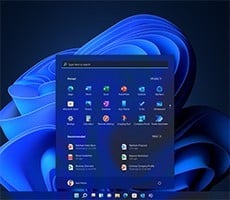
It's not every day when a major report from one outlet gets debunked by another in the PC space, but when it happens, we do have to pay attention. In this case, PCWorld recently made a viral report regarding a supposedly imminent release...
Read more...



