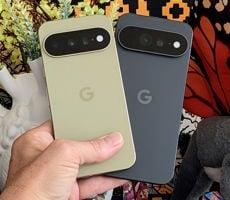
Google Pixel 11 Series Review: The Experience Is The Upgrade
by
Myriam Joire
—
Wednesday, August 19, 2026, 12:06 PM EDT
Google's new Pixel 11 lineup runs Pixel UI on top of Android 17. Google’s take on Android has always been delightfully pure, refined, and speedy -- with a few helpful tweaks thrown in for good measure. These include features like Call Screen, Hold For Me, Recorder, Now Playing, and Personal Safety (to name a few). And when it comes to AI, these phones include Google’s Circle To Search, Gemini, and Gemini Live, Magic Cue, and Pixel Screenshots.
Pixel 11 Series Software, User Experience, And AI
Pixel 11 Pro XL - Image: HotHardware
You also get access to Google Photos’ full suite of AI-based editing tools, which are very useful. I suggest you read my Pixel 10 series review for more info. Here’s a list of new features that are specific to the Pixel 11 lineup.
Live Translate for Media translates audio and video content in real time by detecting the foreign languages and automatically dubbing the audio in videos and podcasts into your preferred language.
Rich, visual cards in chats deliver contextual and glanceable information inside a messaging thread that combines media, text, and clickable actions.
Proactive Gemini Actions & Automations in chats provide suggestions inside messaging threads for Gemini to find and book a restaurant, order groceries from a to-do list, or compare products for shopping or locations for travel planning.
Location-based suggestions in At A Glance surface contextual clickable shortcuts on the lock and home screens relevant to nearby businesses, like restaurant insights and loyalty cards or passes.
Proactive suggestions while searching offer suggestions when searching inside apps like Maps by using recently typed and viewed content.
Rambler provides a wonderful new voice input experience in Gboard that transforms natural, rambling speech into clean, structured text instead of literally transcribing speech into text word-for-word.
Tap to share builds on Android’s Quick Share functionality (which includes Apple AirDrop support) and lets you instantly exchange contact info, photos, videos, links, and locations by tapping two unlocked handsets together.
Rambler: A Standout Feature That Delivers On Efficiency And Ease Of Use
Rambler is, in a word, terrific. It's a simple but impactful feature that gets the gist of your voice input for messages and emails right, with clean, concise phrasing. Those who tend to ramble will love it, hence the name, though I wish you could see the edits in real time.
As you’d expect, the Pixel 11 series will receive seven years of timely OS upgrades and security updates. Besides Google’s familiar app suite, my review units shipped free of pre-installed apps or third-party bloatware. Just beware of Play Store Auto Install, which sometimes installs unwanted carrier apps during setup. To avoid this, set up your phone on WiFi before installing a physical SIM or eSIM.
HotHardware's Pixel 11 Series Review Summary
There’s a lot to like about the Pixel 11, 11 Pro, and 11 Pro XL. MediaTek’s M90 5G modem and the upgraded cameras are welcome improvements. So are the Pixel 11 Pro and 11 Pro XL’s brighter screens, and the Pixel 11’s slightly larger battery and faster wireless charging. But Google also made some questionable decisions this year, like configuring the phones with less base RAM and marginally smaller batteries into the Pixel 11 Pro and 11 Pro XL.
In addition, the Pixel 11 lineup’s higher prices, which match the best flagships from Samsung and Apple, are tougher to justify considering that Google’s Tensor G6 chip, while more efficient than last year’s Tensor G5, falls short of Qualcomm and MediaTek’s best SoCs in terms of absolute performance. At this point, perhaps Google should consider retiring Tensor in favor of Qualcomm's excellent Snapdragon SoCs or Mediatek's chips in future Pixel phones.
That being said, HiLight (the notification light on Pixel 11 Pro models) is only a software update away from being fully baked, and I feel MagSafe compatibility (Qi2.2 with magnets) is a must-have feature and a major competitive advantage for Google. And while the Pixel 11 series’ hardware changes are mostly iterative this year, Google’s outstanding software and AI features continue to deliver the best user experience on Android.
In all, I highly recommend the Pixel 11 series. Tensor G6 performance limitations aside, my only real gripe with these handsets is the lack of SIM trays on US models. The Pixel 11, 11 Pro, and 11 Pro XL will be available starting tomorrow (August 20) from the Google Store, retail partners like Best Buy (Pixel 11 Pro XL, Pixel 11) and Amazon, and carriers (T-Mobile, AT&T, Verizon, MVNOs) for $899, $1099, and $1299 respectively. As a bonus, the Pro models come with a free six-month subscription to Google AI Pro.
Make no mistake: these are Google's best Pixel phones yet, and they offer a highly polished Android experience. That's something worth celebrating.