



Motorola Razr Fold Debuts With Stylus Support To Challenge Samsung's Foldables


Almost coming out of left field, Motorola took the stage at CES this week to unveil a surprise expansion of its mobile lineup, headlined by its first-ever book-style foldable, the Motorola Razr Fold.
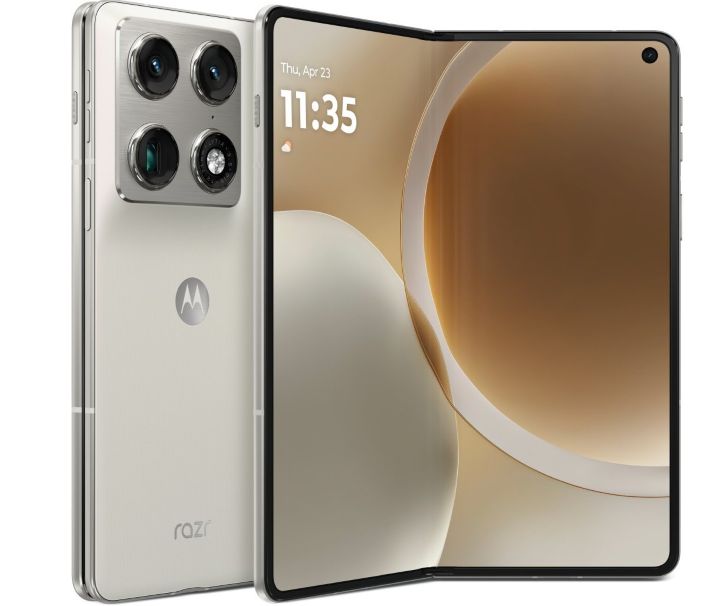
The Razr Fold is quite the big deal, especially coming from a brand that has spent years focusing solely on vertical flip foldables. Moving into the larger-format market, the Fold features a 6.6-inch external display, bisecting that of the Pixel 10 Pro Fold and Galaxy Z Fold. Unfolded, there's a 8.1-inch 2K LTPO internal screen, slightly larger than either aforementioned competitors.
The phone rocks a titanium-reinforced chassis and supports the new Moto Pen Ultra, an active stylus with 4,096 levels of pressure sensitivity. Industry analysts note that by launching this summer, Motorola is positioning the device to challenge the dominance of Samsung’s Galaxy Z Fold series and Google’s Pixel Fold, potentially undercutting them with a rumored starting price as low as $1,500 (in two colorways). No word if the stylus is included in the purchase or sold separately.
On the software side, the Razr Fold is also likely going to serve as a showcase for Motorola Qira, a unified AI ecosystem developed with Lenovo. This platform introduces a personalized, context-aware agent designed to work across smartphones and PCs. Key AI features include Catch Me Up, which provides intelligent summaries of notifications and communications, and Next Move, which uses on-device processing to suggest actions based on what the user is doing.
The foldable likewise boasts a triple 50-megapixel camera array powered by Sony LYTIA sensors, including a 3x periscope telephoto lens and 8K Dolby Vision recording, possible signaling that Motorola is no longer content to treat cameras as a secondary concern in the foldable space (we're crossing our fingers).

Rounding out Motorola's showing was Project Maxwell, a wearable AI pin concept that processes real-time data through cameras and microphones to provide hands-free insights.





