



Microsoft Quietly Scrubs 32GB RAM Guidance For Windows 11 PCs


Microsoft is quietly rewriting its hardware guidance for Windows 11. Not long ago, the company made headlines for calling 32GB the "no worries" sweet spot for gaming on Windows. Now that recommendation has vanished into thin air as Microsoft pivots to promoting performance optimizations designed to accelerate machines with just 8GB of RAM.
It's not quite a hard pivot. To be fair, Microsoft never recommended 32GB as the baseline, and instead said that upgrading to that amount "helps if you run Discord, browsers, or streaming tools alongside your games." Microsoft maintained that "16GB RAM is a must, 32GB is a no-worries zone." Microsoft also said that 32GB "gives newer titles more breathing room as memory demands continue to rise."
Fast forward a few weeks later and that document, titled "Gaming features: What the best Windows PC gaming systems have in common," is gone. There's not even a trace of it on the Wayback Machine (we checked), and the URL now directs users to Microsoft's Learning Center portal.
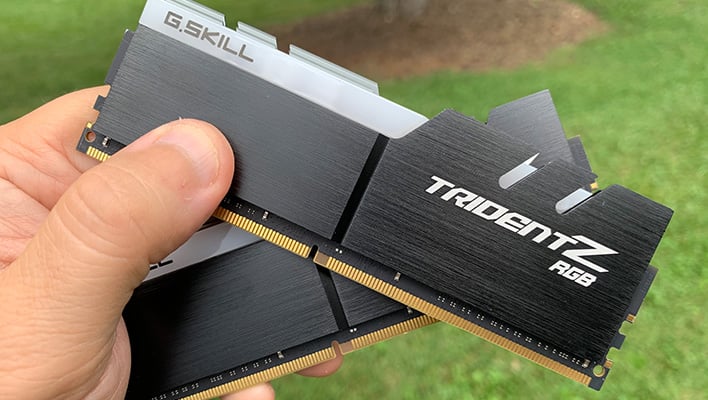
So, why the reversal? At the very least, Microsoft's document removal acknowledges that the optics of pitching 32GB in today's environment is probably not the best. Telling enthusiasts that 32GB is ideal for heavy gaming isn't technically wrong, but it does create a messaging conflict for Microsoft's current retail strategy of trying to promote more affordable systems with just 8GB of RAM.
Labeling 32GB as the "no worries" zone makes entry-level machines on store shelves look obsolete before even being unboxed. On top of that, RAM is just downright expensive these days. Costs have risen so much that Apple raised the price of its MacBook Neo, its least expensive MacBook ever, by $100 not long after a massively successful launch.




