



Microsoft Vows To Optimize Windows 11 Performance For 8GB PCs


Like it or not, the AI-driven memory crunch is not only driving up prices on consumer electronics, even including Apple's budget-focused MacBook Neo, it's also resulting in models shipping with lower specs in key areas, particularly memory and storage. Enter the era of 8GB of RAM. Having just 8GB of RAM can be frustrating on a Windows 11 PC, and if there is a silver lining, it's that Microsoft is aware of this and making efforts to have its OS run more efficiently.
Microsoft's Windows and Devices president, Pavan Davuluri, outlined four key focus areas for the rest of the year. Right at the top of that list is an explicit commitment to shrink the operating system's memory footprint on machines with 8GB of RAM. These efforts build upon steps Microsoft has already taken to improve performance in Windows 11.
"We’re going to take everything we’ve learned since March and keep listening and closing the loop on your feedback. The signal from you is clear: keep going. We intend to," Davuluri says.
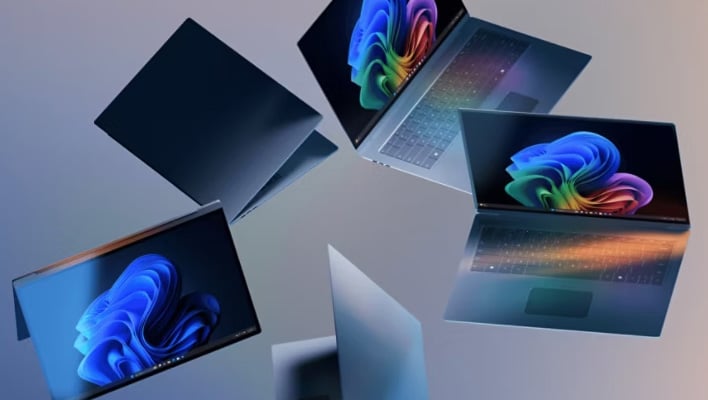
Regarding PCs with just 8GB of RAM, that is one of the major areas of focus, though Davuluri did not specify exactly how Microsoft's engineers will go about making the OS snappier on systems with not a lot of memory. More broadly, he points to memory optimization on setups with 8GB of RAM and above, as Microsoft aims to reduce Windows 11's memory footprint "to deliver a fast and responsive Windows experience across the PCs customers use every day."
This memory push is part of a broader effort Microsoft kicked off earlier this year to address persistent user complaints about sluggishness and system bloat.
So far, the team has quietly tweaked launch speeds for tools like Start, File Explorer, Search, and the Snipping Tool. It's also cleaned up Search box results to remove promotional clutter and patched up Bluetooth and printer connection bugs.
Alongside the 8GB performance tuning, Microsoft plans to spend the coming months streamlining the initial PC setup process for a faster and more efficient out-of-box experience, simplifying family safety controls, and improving system-wide voice interaction.
"The last few months have energized us. Meeting Windows Insiders at our monthly meetups and hearing what you think has been one of the best parts. This is work our engineers love and we want you to feel it in the product. We know we have more to do, and we’re grateful to be on this journey with you," Davuluri adds in a blog post.
It remains to be seen how much performance Microsoft can squeeze out of Windows 11 on systems that skimp on RAM capacity, especially considering Microsoft has previously said 32GB is the "no worries" configuration for Windows gaming. However, in the current landscape where demand for AI is starving the consumer market of certain components, it's now more necessary than ever to focus on improving performance on lower-spec hardware.




