



AMD Zen 6 Olympic Ridge Ryzen CPUs Rumored For A CCD Upgrade With 6 To 24 Cores



The post is terse, almost esoterically so. He doesn't explain what he's talking about, but the implication is clear, particularly from "12+12" being the top configuration. Nobody else is known to be shipping chips where "12+12" makes sense, so it basically has to be AMD's Zen 6-based desktop CPUs, code-named "Olympic Ridge" in leaked roadmaps.
Moving forward with that assumption, there will apparently be single-CCD CPUs with twelve, ten, eight, and six cores. The existence of a six-core SKU is surprising to some in the replies, but it makes sense. Plenty of users legitimately get no benefit from anything beyond six cores, and there will almost assuredly be CCDS that simply don't have more than 6 working cores. If that's the case, might as well ship a 6-core SKU.
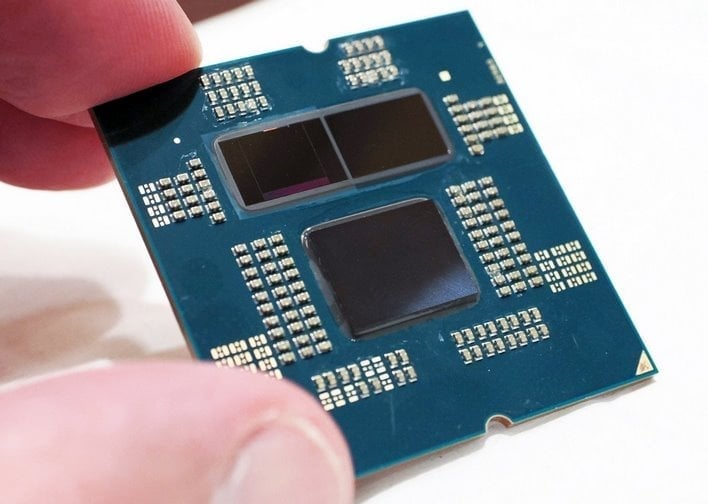
Meanwhile, dual-CCD models will come with 16, 20, and 24 cores. To back up a second, "dual-CCD" refers to CPUs with two separate core chiplets, known as "CCDs." These have historically held Ryzen 9 branding, and there has always been a twelve-core model with a 6+6 configuration. Given that a single CCD now has twelve cores, it makes a certain sort of sense to skip that setup, although it would be interesting to see a CPU with effectively double the L3 cache per core versus the single-CCD 12-core chips.
Many people in the Xwitter thread expressed concern about the top-tier SKU being "just" 24 cores. It certainly looks bleak on paper when comparing the 24-core AMD configuration to the rumored 52-core might of Intel's top-shelf Nova Lake CPUs. There are valid questions to be raised about the relevance of many-core processors in the consumer arena, though. After all, HEDT processors (like Intel's own just-launched Xeon 600 family) still exist, and folks who legitimately need that kind of multi-core performance will likely be better-served by a system like that.
Historically, AMD has traded blows with Intel at a 50% core count disadvantage. The 16-core Ryzen 9 9950X competes well against the 24-core Core Ultra 9 285K, for example. If the rumors are right and Intel is really shipping a dual-compute-tile version of Nova Lake, Intel might decisively take the consumer CPU multi-core performance crown, but overwhelmingly at this point, it's single-threaded performance and memory performance that are the most important in client workloads. Hopefully, that battle will be one for the ages.





