



Valve Reveals Why Steam Deck 2 Has Not Launched Yet And it's Not Pricing


See, the catch is that the Arc G3 Extreme is fundamentally a laptop-derived processor. It operates best at laptop-level power limits of 15W or above. To keep a power-hungry chip like that running for a solid gaming session, vendors like MSI have to stuff a massive 80-Whr battery into the chassis. Meanwhile, the Steam Deck operates in an entirely different class, sipping between 3W and 15W. Its SoC achieves its legendary efficiency because it was originally designed for the Magic Leap 2 AR glasses, targeting a sweet spot of around 9W. The Steam operator wants to stick to silicon that natively runs below 10W without dumpstering performance, and there just aren't really any current-generation chips on the market designed for that exact use case.
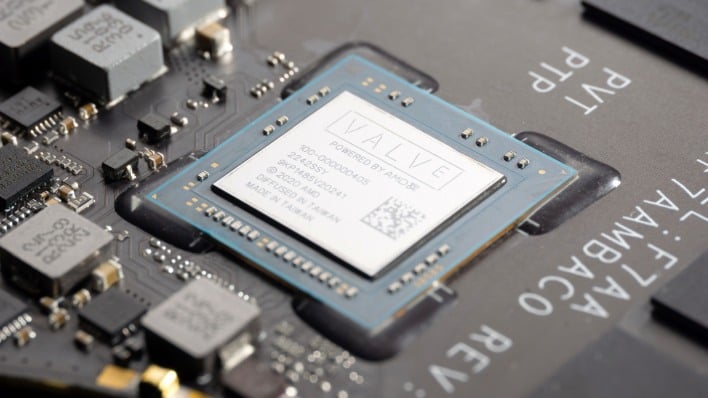
This isn't a new stance for the Bellevue firm. Back in March 2023 (over three years ago now), the company stated it was working on a next-gen Deck but wouldn't release it until a chip offered a true generational leap in capabilities within its preferred power budget. Recently, Valve’s Pierre-Loup Griffais confirmed to IGN that the company is "definitely getting there" and "working towards [its] next-gen for sure." However, Griffais also made it clear there are no immediate plans or announcements because upcoming chips still aren't hitting the right low-power segment needed for a true handheld experience.

Since the rumor mill says the company isn't interested in pursuing another semi-custom arrangement with AMD, the most likely candidate for a future "Steam Deck 2" is AMD’s rumored "Bumblebee" processor. Expected to eventually pop up in Chromebooks, thin-and-light laptops, and other handhelds, this highly power-thrifty chip reportedly features two Zen 6 cores, four Zen 6C cores, and two to four RDNA 4 compute units. This native low-power architecture and low-cost monolithic design makes it the perfect candidate to power a next-gen Deck without requiring a massive, heavy battery.
Of course, that's all speculation for now. The reality is that nobody will know anything concrete about a potential Steam Deck 2 until Valve comes out and tells us about it itself. As soon as that happens, we'll be right here to break it down for you.





