



NATO Warns Russia Is Building A Weapon To Obliterate Elon Musk’s Starlink Satellites


According a report by AP News, this new "zone-effect" weapon is unlike traditional anti-satellite missiles or lasers that target a single object. Instead, the system is designed to flood specific orbital paths with hundreds of thousands of high-density metal pellets. These clouds, consisting of millimeter-sized BB pellets-like shrapnel, effectively create a minefield for LEO objects. Due to their size, the pellets would be nearly impossible to track with ground-based radar, making it difficult for initiate evasion and/or counter measures.
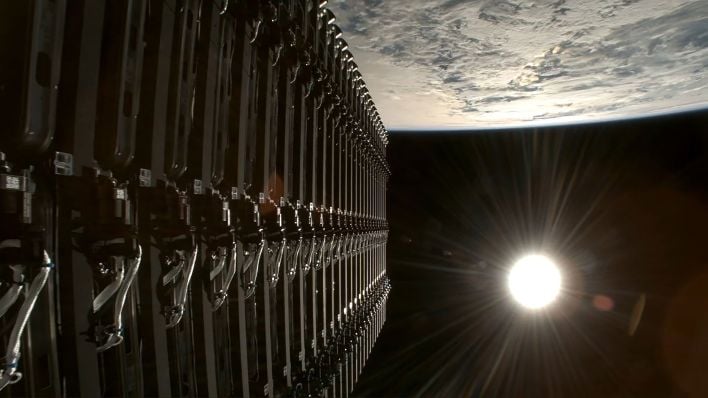
However, the deployment of such a system carries immense risks that could lead to a global catastrophe in space. Experts warn that shrapnel clouds are indiscriminate; once released, they do not stay confined to a single target’s path. Brig. Gen. Christopher Horner, commander of Canada’s military space division, noted that "blowing up a box of BBs" in orbit could trigger a cascading effect, potentially taking out not only Starlink but also other assets like the ISS, China’s Tiangong station, and countless other commercial and scientific satellites.
That said, there are those who are skeptical of the weapon’s feasibility. They argue that Russia, as a major space power, would be hesitant to destroy the very environment its own military and civilian assets rely upon. Perhaps the leak of these intelligence findings might be part of a broader warfare strategy, meaning that it could just be Moscow attempting to deter Western private companies from intervening in future conflicts or to pressure NATO into concessions.





