



AI Pet Translator: How Machine Learning Can Decode Dog Barks & Cat Meows


Here is how the tech supposedly works: you clip the device to your pet's collar, and it uses proprietary AI algorithms, reportedly trained on millions of pet sound samples using a massive language model, to instantly convert barks and meows into human speech. Even wilder, the company claims it offers true two-way translation, meaning it will also convert your human speech into specific pet noises so you can theoretically talk back.

The concept of a pet translator isn't entirely new; '90s kids might remember the semi-functional novelty BowLingual, and smartphone apps like MeowTalk already exist today. However, Pettichat is making a massive leap by claiming near-perfect real-time accuracy in a dedicated hardware format, something that definitely hasn't been done before.
The business side of things does raise a few polite eyebrows. The company behind it is a newly minted tech firm out of Hangzhou, China despite that the company lists contact information in Hong Kong. The firm is currently funneling traffic to a rather barebones Shopify storefront. That isn't necessarily a damning indictment, but it doesn't exactly inspire absolute confidence, either.
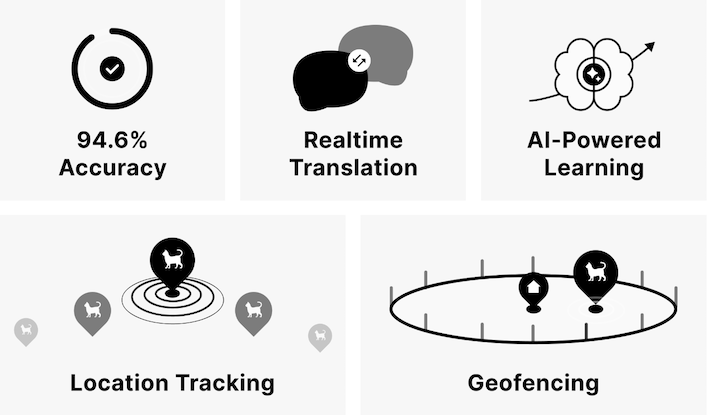
On the Pettichat site, you can outright buy a "Limited Edition" unit for $189.99, or you can drop a $1 deposit to lock in a specific color. Just be aware that the $1 merely buys you a discount code. The final price "will be announced before official sale," meaning you are effectively buying the opportunity to pre-order later.
When you watch the company's demo videos, the skepticism really starts to set in. The footage looks undeniably staged, and it's hard to shake the feeling that the synthesized voice translating the pet audio was edited in during post-production. It's not definitive proof of a fake product, but the remarkably human-like and extremely precise translation feels entirely too sci-fi to be true.
To be real for a second, decoding the pitch and tone of an animal's vocalizations to guess if they are angry, hungry, or playful is scientifically plausible. Translating a bark into a specific, articulated English sentence? That borders on fantasy. If the device does ever ship, early backers should probably expect an amusing novelty toy rather than a genuine Dr. Dolittle experience, and honestly, it might be for the best. If we could actually understand our pets, we'd probably just find out they've been ruthlessly judging us this whole time.
Thanks to Trusted Reviews for the spot.





