



AI Facial Recognition Error Gets Grandma Arrested At Gunpoint And 6 Months In Jail


The ordeal began when facial recognition software used to investigate a series of fraud cases in Fargo, North Dakota, flagged Angela Lipps, a grandmother living hundreds of miles away in Tennessee. Despite having no connection to the crime and a lack of physical evidence linking her to the scene, the software hit was treated as a definitive ID. Lipps was arrested at gunpoint by U.S. Marshals on July 14 last year, and subsequent incarcerated in a Fargo jail where she remained for months, separated from her family and struggling to clear her name from a crime she did not commit.
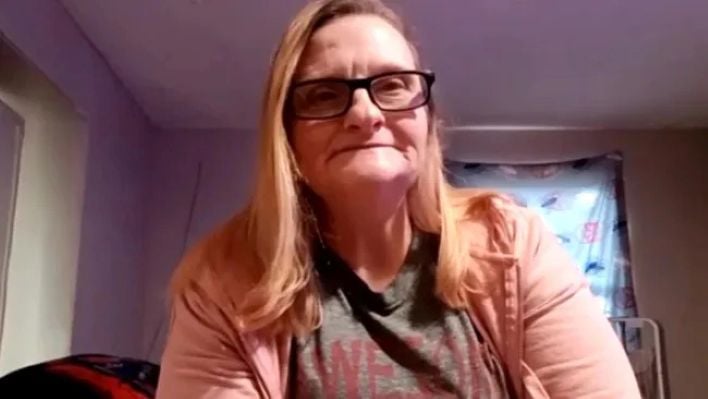
It was found that the software used to identify the criminal attempted to find patterns where they may not exist. In this case, the grandmother’s facial structure, body type, and hair were deemed similar enough to the investigated suspect’s that the system generated a high-confidence match. Unfortunately, once those data points entered the legal system, it triggered a chain of events that the victim was powerless to stop. For 50-year old Lipps, the eventual dismissal of charges came too late to prevent the trauma of being uprooted and jailed.
So far eight other Americans have been wrongfully arrested due to erroneous facial recognition matches. In and of itself, the technology, as proponents argue, has saved thousands of man-hours and solved cold cases that would otherwise remain dormant. However, civil liberties advocates
point out that the legal safeguards have not kept pace with the
technology. In many jurisdictions, there are no mandatory standards for
how confident an algorithm must be before an arrest is made, nor are
there requirements for independent human reviews of digital matches.
Main photo credit: Fargo Police Department





