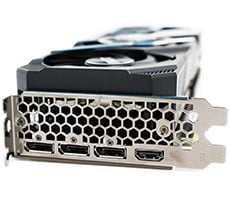
NVIDIA GeForce GTX 260 Core 216: EVGA, Zotac


In the conclusion of our coverage of the Radeon HD 4850 and 4870 launch, we made this statement, "...dare we say a $300 graphics card represents an excellent value, from a price point perspective? These cards are definitely going to put significant price pressure on NVIDIA's GTX 200 series." At the time, the GeForce GTX 280 and GTX 260 were selling for upwards of $650 and $400 respectively, and ATI's newly released Radeon, which performed somewhat better than the GTX 260, was introduced at "only" $299.
Of course, NVIDIA quickly responded with a hefty round of price cuts that brought the GTX 280's price down considerably and put the GTX 260 and Radeon HD 4870 on roughly equal footing, but it turns out NVIDIA wasn't quite done. Today NVIDIA is introducing an updated GeForce GTX 260 card with more stream processors and texture filtering units than its predecessor. The name of the new GPU is the GeForce GTX 260 Core 216, due to the GPU's allotment of 216 stream processors--up from 192 in the first-gen GeForce GTX 260.
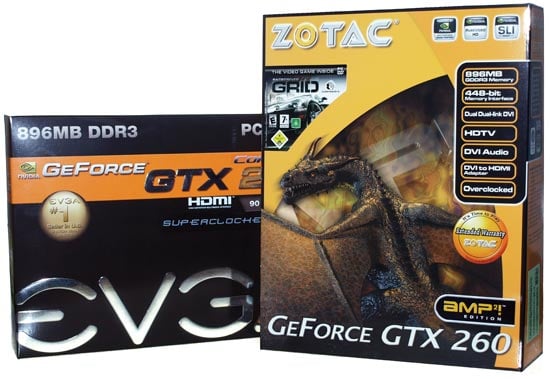
We've got a couple of the new GeForce GTX 260 Core 216 cards in-house from EVGA and Zotac, and plan to show you what they're made of on the pages ahead. For now, let's check out the specs and get some of the particulars out of the way.
|
|
|


Above, we have a simple chart detailing the main features and specification of the first-gen GeForce GTX 260 and the new GeForce GTX 260 Core 216. As you can see, not much has changed, at least with respect to the reference specifications. NVIDIA's reference specs for the two cards are virtually identical, with the only real differences coming in the form of an increased number of stream processors (up from 192 to 216) and texture filtering units (up from 64 to 72). NVIDIA achieved this feat, not by designing a totally new GPU, but by enabling one more functional block in the GeForce GTX 260 Core 216's existing GT200 GPU. The GT200 has a total of 10 banks of 24 stream processing units, for a maximum of 240 steam processors (as implemented in the GTX 280). In the first-gen GTX 260, 8 of these banks were enabled, for a total of 192 stream processors. But in the new GeForce GTX 260 Core 216, nine banks are enabled for a total of 216 stream processors. And along with the additional bank of stream processors, eight more texture filering units come along with it.
We should note that although the new Core 216 card doesn't have the same GPU configuration, NVIDIA has informed us that the new cards can still be linked with first-gen GeForce GTX 260 cards and operate in SLI mode. That is probably one of the main reasons for amending the GTX 260 name with the Core 216 moniker instead of giving the card a totally new name, like GeForce GTX 270, for example.
As for the GeForce GTX 260 Core 216's other features and capabilities, they remain essentially unchanged from the original GeForce GTX 260. For a more complete breakdown of the GT200 GPU at the heart of the GTX 200 series cards, we suggest reading our coverage of the launch from back in June. In that article, we go more in-depth on the GPU, talk much more about PhsyX and CUDA, and breakdown the architecture in greater detail.