



Samsung Galaxy Glasses Image Leak Puts Meta Ray-Ban Rival in Focus


Samsung is preparing to enter the wearable ambient AI race against the likes of Meta and Ray-Ban with its upcoming Galaxy Glasses. Leaked renders this week reveal a sleek, lightweight device that looks remarkably like Google's demo Android XR glasses a year ago.
These latest images, as reported by Android Headlines and based on internal testing units codenamed "Jinju," showcase a design that prioritizes style and comfort a la Rokid AI and Ray-Ban Meta glasses, weighing in at approximately 50 grams.
The initial 2026 model will not feature a built-in display. Instead, it focuses on audio interactions and high-quality capture via a 12MP Sony IMX681 camera and directional speakers. By stripping away the screen, Samsung is following the successful blueprint established by Meta’s Ray-Ban collaboration, offering a lower price point and all-day battery life through a 155mAh power cell.
On the business end of things, the Galaxy Glasses are expected to run on the older Snapdragon AR1 platform (what, no AR2 love?), which is key to the glasses' core value proposition: multimodal AI. Through deep integration with Android XR, users will be able to ask Gemini to identify objects in their field of vision, translate foreign street signs in real-time via audio, or receive turn-by-turn navigation through discreet voice prompts. Because the glasses act as a companion to the Galaxy smartphone ecosystem, they offload heavy computation to the phone, keeping the frames simple and thin.
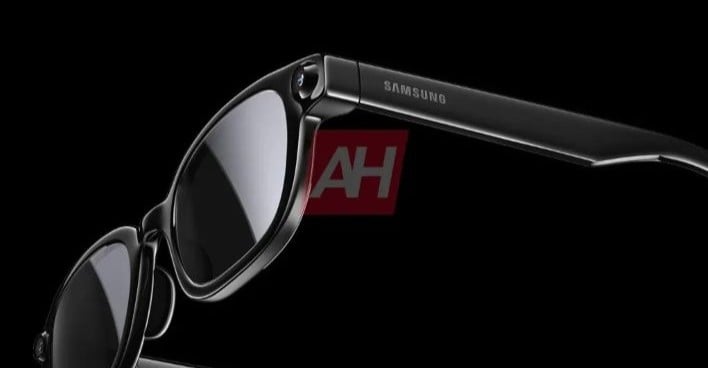
The leak also suggests something else. Indeed, the display-less Jinju (meaning "pearl" in Korean) is slated for a release later this year (with a potential reveal at Samsung’s summer Unpacked event, perhaps?), but another variant codenamed "Haean" (Korean for "seaside") is already in the works for 2027. That higher-end version is rumored to include a micro-LED heads-up display and a larger 245mAh battery, aimed at users who want visual overlays for notifications and AR maps.
With a rumored price tag between $380 and $500, the first Galaxy Glasses represent Samsung’s latest push into smart consumer tech beyond beyond phone and watch screens. By relying on Google’s software and Qualcomm’s silicon, the company is betting that consumers want to wear AI on their faces, a trend that has moved from niche to mainstream in the last year.
All images credited to: Android Headlines





