



RPCS3 Update Boosts PS3 Emulation Performance On Arm-Powered Handhelds


This RPCS3 on Arm update makes numerous games, including Ninja Gaiden 3: Razor's Edge (pictured above), playable on the Odin 2, when previously they were not. While the Ayn Odin 2 still seems to be slower than a real PlayStation 3, the framerate is now high enough to offer a good experience.
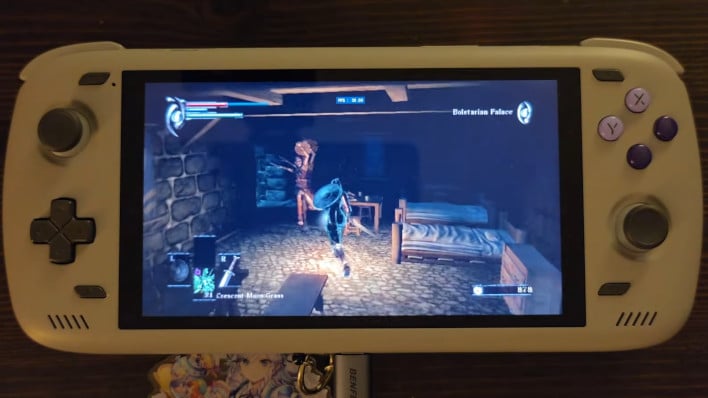
Games like Demon's Souls now also demonstrate that RPCS3 is no longer CPU-bound on modern Arm devices. Most framerate dips now are caused by limited GPU horsepower, rather than difficulty translating the PS3's Cell CPU instructions to an Arm chip. On that note, however, a single Arm compatibility issue fixed in this RPCS3 patch (relating to a flood of unoptimized x86 wait instructions), accounts for 25% of the new patch's performance gains.
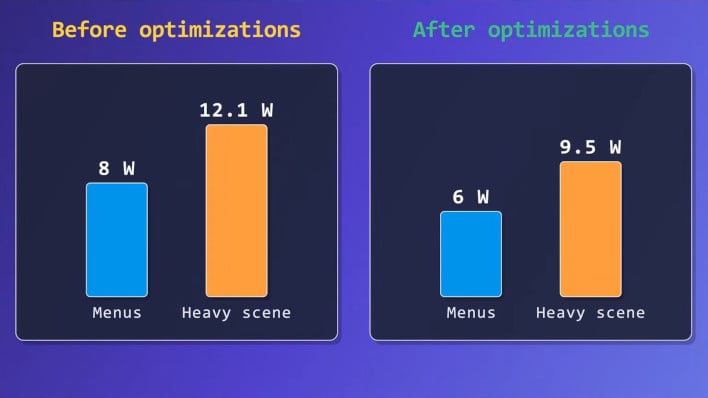
The 25% power efficiency gain on the Ayn Odin 2
Where the additional 35% of performance improvement came from is explained in the hour-long video below. We've previously covered Whatcookie's RPCS3 development updates, including his infamous dissertation on AVX-512, but this is one of his most in-depth technical breakdowns of his work.
Whatcookie reckons that continued optimizations and Arm generational improvements should soon result in budget-priced Arm-based handhelds being fully compatible with the PlayStation 3's library via RPCS3 emulation. We aren't quite there yet, but this kind of performance on something as meager as an Ayn Odin 2 bodes well for the future. Unfortunately, the improvements won't immediately extend to the current Android forks of RPCS3, though future updates to those apps will likely feature these optimizations as well.
Android aside, this 60% average performance boost in RPCS3 should apply to all Arm-based desktops and handhelds running Linux, Mac OS, and Windows. Per Whatcookie, this means that RPCS3's Arm emulation performance should now scale more directly compared to x86 CPUs, and that also applies to higher-end devices like Arm-based Copilot+ laptops.




