



OnePlus Turbo Declares War On Gaming Phones With A Huge Battery


The existence of the new line dropped in a Weibo post by OnePlus China President Louis Li Jie, who said that the Turbo series will stand apart from the flagship and Ace models. Li framed the series around three core goals: leading performance in its price segment, unmatched battery life, and delivering an "unprecedented gaming experience." The Turbo phones (announced at the company's 12th anniversary event) position the brand to directly challenge established gaming phone makers like ASUS ROG and RedMagic, while also going head-to-head with Redmi's newly-announced (wait for it) Turbo series.
Leaks by tipsters suggest that at least two Turbo models are in development, both slated to feature giant batteries. While general estimates put the capacity around 9,000 mAh, more specific reports on the first Turbo handset point to a still-massive 8,000 mAh cell. To put this in perspective, these capacities cast a shadow on the current OnePlus battery champ, the OnePlus 15 and its 7,300 mAh battery.
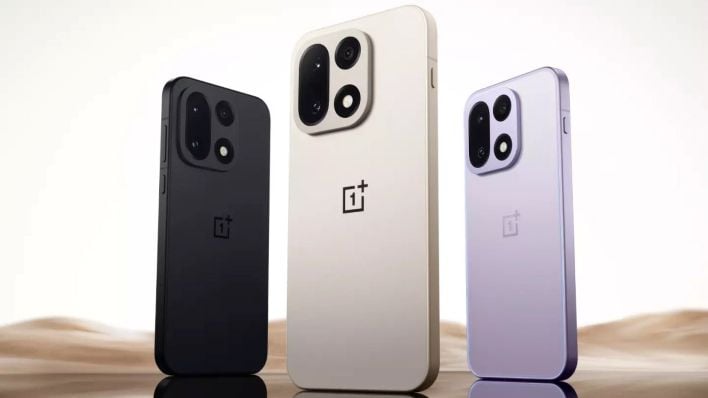
Of course, these being gaming machines, the Turbo is expected to feature a Snapdragon 8 Gen 5 chipset, a 6.7-inch 1.5K OLED display boasting a 165Hz refresh rate, plenty of RAM, and likely an evolution of OnePlus' very effective Glacier cooling system. The emphasis on raw power means certain traditional flagship features have taken a back seat, with leaks indicating a more modest camera array featuring a 50MP main sensor and an 8MP ultrawide.
The timing of the launch (sometime in 2026) points to the rising demand for gaming phones, although launching devices with batteries that meet (or exceed) user needs without the need for external power banks or being tethered to the wall is going to be a killer feature in its own right.. However, the initial rollout presents a familiar picture: the Turbo series is currently expected to be exclusive to the Chinese market, while sometimes offering slightly different specifications for eventual global variants.
We've previously mentioned in our reports of the OnePlus 15 that with the end of the Hasselblad partnership, its flagship began to lean hard into endurance and gaming, due in part to the aforementioned battery size, plus the company's proprietary gaming core, FPS Max, and triple-chip architecture. With the introduction of the Turbos, however, we wonder how the their flagships will stand apart within the product lineup.





