



NY Attorney General Sues Valve Alleging Loot Boxes Violate Gambling Laws


New York Attorney General Letitia James has filed a major lawsuit against Valve, alleging that the company’s loot boxes in games like Counter-Strike 2, Dota 2, and Team Fortress 2 constitute illegal, unlicensed gambling that targets minors. The complaint, filed in Manhattan state court, seeks to end the practice and demands that the Bellevue-based developer pay restitution and massive fines for violating state consumer protection and gambling laws.
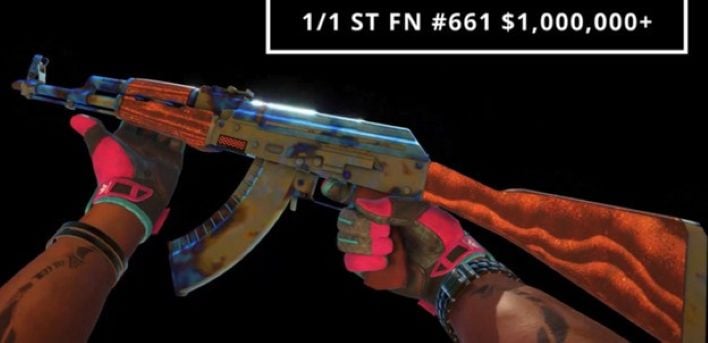
James' lawsuit focuses on the way Valve monetizes its free-to-play titles through randomized virtual containers. Players pay roughly $2.50 for keys to open these boxes, triggering an animation that the AG’s office compares to a casino slot machine. While most rewards are worth only pennies, the rarest items, such as weapon skins, have created a volatile secondary market. The lawsuit highlights a 2024 transaction where a single Counter-Strike skin reportedly sold for more than $1 million, arguing that these items possess clear real-world monetary value.
The Attorney General notes that Valve has intentionally designed a quintessential gambling ecosystem that controls the drop rates of rare items and facilitates their trade on the Steam Community Market. In that context, Valve functions as an unlicensed casino operator, according the AG.
The state further contends that Valve assists third-party websites that allow users to cash out their virtual winnings for real currency, a loop that has turned digital cosmetics into a multi-billion-dollar industry. According to the filing, the Counter-Strike skin market alone was valued at over $4.3 billion as of early 2025.

Valve has restricted loot boxes in countries like Belgium and the Netherlands following similar regulatory pressure, but it has yet to make such changes in the United States. If New York is successful, the company could be forced to pay a fine equal to three times its total gains from the alleged illegal practices.
This legal challenge represents one of the most significant domestic threats to the video game industry’s loot box business model, potentially setting a precedent that would force a total overhaul of how modern games are funded and played.





