



Microsoft Issues Emergency Patch For Millions Of PCs To Fix These Major Issues


A second bug, limited to Windows 11 version 23H2 systems with Secure Launch enabled, caused affected PCs to restart instead of shutting down or entering hibernation. This fundamental failure, which we reported on this past Friday. earned forceful facepalms from users and IT administrators alike. It was possible to work around with a fix (as detailed in our previous post), but still incredibly tedious, and emblematic of the sort of problem that should never come up from a regular security update. Out-of-band Windows updates are relatively rare and typically reserved for issues like these that are severe enough to disrupt core workflows, particularly in enterprise environments. Microsoft is advising organizations that have not yet deployed January's security updates to install the new OOB patches instead.
It's getting hard to ignore how familiar this situation has become. Over the past year, Windows 11 updates have repeatedly shipped with regressions that affect basic system behavior, from File Explorer crashes and broken taskbars to, now, remote authentication failures and PCs that literally won't shut down. Emergency fixes are supposed to be exceptional, but at this point they're starting to feel procedural.
For IT departments, this is more than an annoyance. Each bad update adds friction to already cautious deployment pipelines, reinforcing the instinct to delay patches rather than trust them. For consumers, it feeds a growing hesitation to install updates at all, which is a problem for a platform that depends on fast security adoption to function safely at scale.
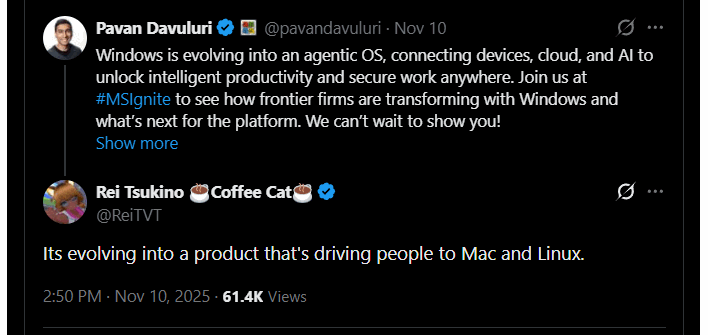
This issue really highlights Microsoft's complete lack of credibility. When what should be routine security updates require unscheduled fixes just days later, it's difficult to sell the idea that forcing users to install the latest updates every week is a justifiable practice. It's also no mystery why alternatives—particularly Linux, on both the home and business side—are attracting renewed interest from users who are simply tired of playing update roulette.
Shout out to WindowsLatest for spotting this patch.





