



Meta's Major VR Strategy Shift Leaves ASUS And Lenovo In Limbo


Instead, Meta is looking to refocus on its own in-house offerings, with a spokesperson saying that “we have paused the program to focus on building the world-class first-party hardware and software needed to advance the VR market.” Although it does leave the door open to revisit partnerships in the future as the VR space continues to evolve.
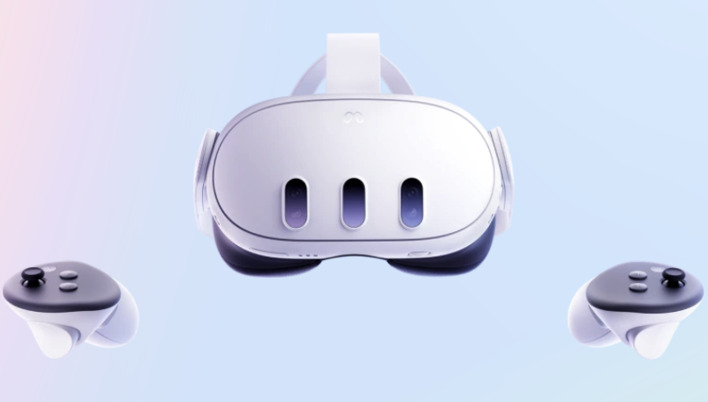
This decision to pull back from this project likely leaves several of its partners in the lurch. When Horizon OS was announced there was some fanfare about Lenovo and ASUS being on board, with the former working on a headset focused on learning and productivity, and the latter high end gaming. The silver lining for these two companies is that Google’s Android XR can fill the void left by Horizon OS.
It’s not too surprising to see Meta back out of its Horizon OS experiment. The VR market has somewhat fizzled as of late, while the company found success with its smart glasses produced in collaboration with Ray-Ban. Of these two product categories, smart glasses seem to have much broader market appeal and will likely make for a more pervasive platform to deploy a host of AI technologies, which is at the core of Meta's business model.





