



Herodotus Malware Targeting Android Users Behaves Like A Human To Avoid Detection


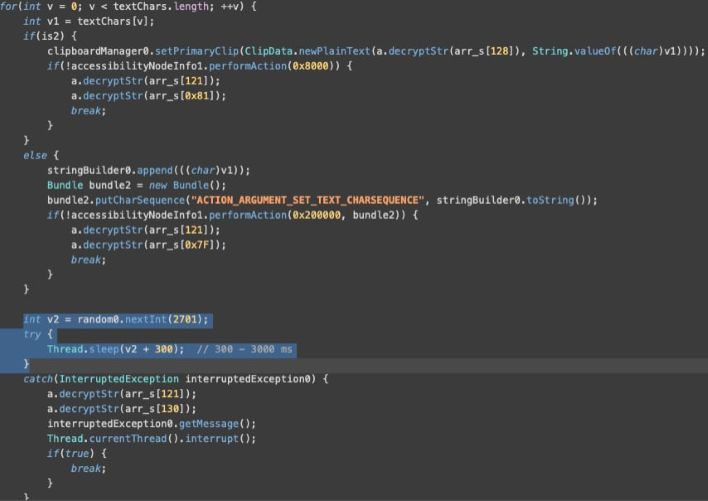
Cybersecurity experts are sounding the alarm over a new Android Trojan dubbed Herodotus, which is designed to deliberately slow down its own malicious activity to mimic the casual, imperfect behavior of a human user. Such behavior allows the malware to slip past a generation of security systems built to flag more rapid, robotic actions of traditional bots.
Now, when a traditional Trojan gains access to a device and attempts to insert a victim's stolen banking credentials, it often bypasses the on-screen keyboard by using the device's clipboard or accessibility services to paste the text. This input method is instantaneous, which of course is a tell-tale sign of a machine operating at inhuman speed. Behavioral detection systems, particularly those at financial institutions, are specifically designed to look for this unnaturally fast input speed, flagging the transaction as suspicious.
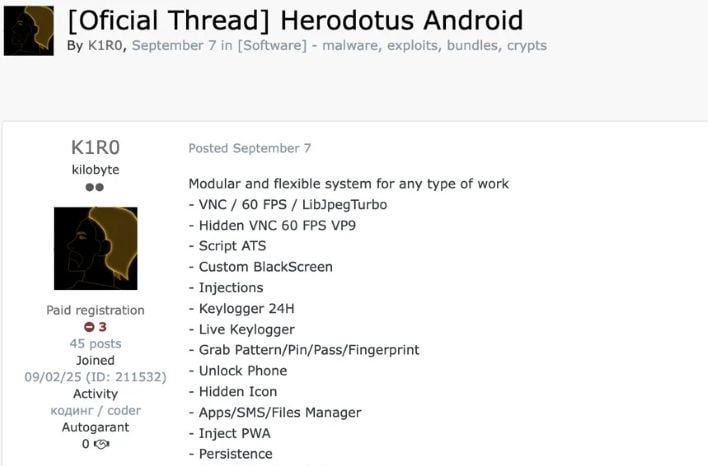
Herodotus is reportedly distributed by enticing victims to side-load apps, often instigated through smishing messages that contain a link to a "dropper" application. Once installed and granted the elevated permissions it requires by tricking the user, it can deploy its full suite of capabilities.
According to Threat Fabric, the Herodotus developers appear to have incorporated one compiled module from Brokewell, thus implying that they're iterating on existing tools rather than possessing the full original source code. Nonetheless, the emergence of Herodotus means that the need for cybersecurity defenders with behavioral biometric models, i.e. the ability to distinguish between a genuine, slow-moving human and a machine that has been programmed to be expertly imperfect, is paramount more than ever.
Screenshot credits: Threat Fabric





