



Feds Eye Abandoned Oil Rigs To Solve US Rocket Launch Pad Shortage


The federal government is looking to the ocean to solve a growing stress point in the commercial space industry. As part of a fresh initiative, the U.S. Bureau of Ocean Energy Management (BOEM) is exploring whether hundreds of abandoned offshore oil and gas rigs can be repurposed into rocket launch pads, re-entry zones, and recovery stations.
BOEM's initiative follows Trump's December 2025 executive order, Ensuring American Space Superiority, which aimed to accelerate private sector growth and clear regulatory bottlenecks. As they are, terrestrial spaceports such as those in Florida and Texas, are facing a severe shortage of launch pads. In fact, a report by the Commercial Space Federation warned that the sheer volume of satellites and payloads awaiting orbit will soon outpace existing ground infrastructure.
By tapping into the Outer Continental Shelf, a sizeable federal jurisdiction spanning roughly 3.2 billion acres and extending 200 nautical miles offshore, the government hopes to unlock unprecedented operational flexibility. BOEM has officially issued a request for information, inviting aerospace firms and maritime entities to weigh in on the logistical and structural feasibility of converting these massive steel platforms.
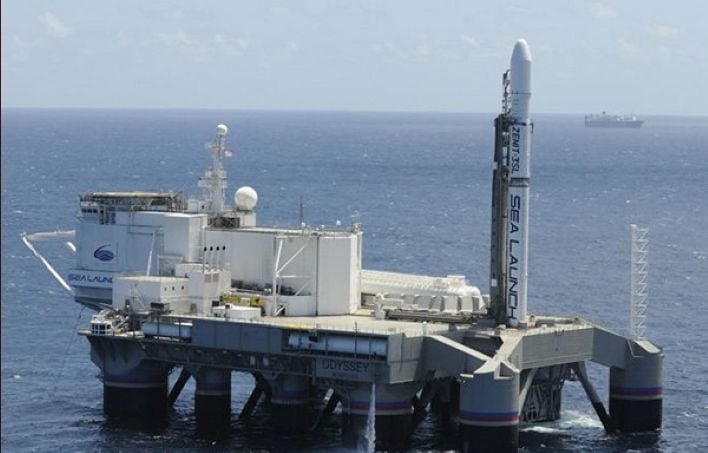
However, the proposal has drawn backlash from environmental advocates who argue that converting these platforms into spaceports allows energy corporations to dodge their environmental cleanup obligations. Under current federal regulations, oil companies are legally required to decommission and entirely remove their defunct platforms once a well runs dry, a highly technical and obviously expensive process.
Environmental groups also voice significant concerns regarding the delicate marine ecosystems surrounding these rigs. The Outer Continental Shelf is home to vital migratory corridors for whales, sea turtles, and various species of marine wildlife. Introducing regular rocket launches, potential mid-air explosions, toxic propellant runoff, and the inevitable accumulation of falling space junk could severely disrupt these habitats.
Main image credit: GuavaTrain via Wikimedia Commons





