



China Shifts Stance On NVIDIA H200 Chip Imports During CEO's Visit


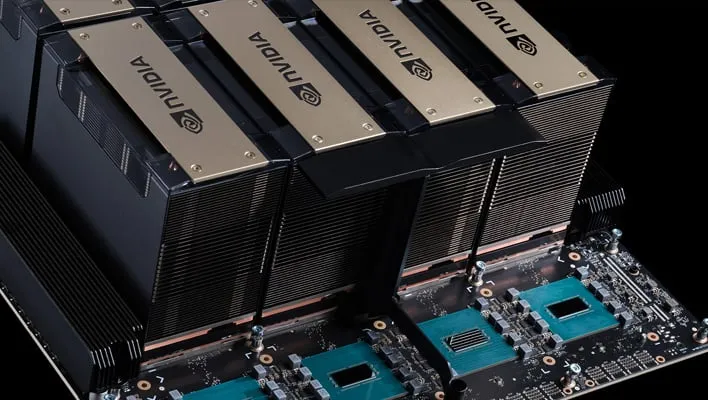
At long last, Beijing has given several domestic tech giants its stamp of approval to buy H200 chips based on NVIDIA's Hopper architecture, with the green light coming while NVIDIA CEO Jensen Huang was visiting China, Reuters reports. Sources who are purportedly familiar with the matter told the outlet that ByteDance, the owner of TikTok, is among the trio.
So are Alibaba and Tencent, and evidently there is now a line of H200 chip customers in China seeking approval, potentially opening the floodgates that had previously been shut, first by the U.S. government and then by Beijing.
According to the sources, China approved 400,000 collective H200 chip orders to Alibaba, ByteDance, and Tencent, With an estimated price range of $30,000 to $40,000, the full order could amount to between $12 billion to $16 billion, depending on actual pricing and whether any bulk discounts or other incentives apply. No matter how you shake it, however, it's a significant amount to get the import/export party started.
There is a potential caveat, though. The sources told the outlet that certain unspecified conditions apply to the orders. An additional source added that customers have not placed actual orders despite being approved to do so, because of overly restrictive licenses. Still, just getting the green light takes care of at least one major hurdle.
NVIDIA has struggled to gain approval to ship its AI chips to China. The first major roadblock was a ban on exports to the China by the U.S. government over national security concerns. Huang publicly balked at the ban, saying that export restrictions had spurred China's innovation.
"The U.S. has based its policy on the assumption that China cannot make AI chips. Assumption was always questionable. Now it's clearly wrong," Huang told CNBC last year. He also warned that China was only "nanoseconds behind America in AI" and that it was important for America to win developers across the globe, not just in the U.S.
Then in August, it was reported that the Trump administration reached a deal with both AMD and NVIDIA to allow shipments of certain AI products to China in exchange for a 15% cut of sales. The royalty rate was later revised to 25%.
Terms of the agreement were finalized earlier this month with the White House outlining a 25% tariff on advanced AMD and NVIDIA AI chips. It was deemed a tariff on imports, not exports, because of the logistics—NVIDIA's chips manufactured in Taiwan would first be shipped to the U.S. and subject to a 25% tariff, then allowed to be exported to China. However, the tariff would "not apply to chips that imported to support the build-out of the U.S. technology supply chain and strengthening of domestic manufacturing capacity for derivatives of semiconductors."
With the introduction of Vera Rubin at CES, Hopper is now two generations, hence part of concession by the U.S. government to essentially lift the ban. However, China has reportedly been instructing customs agents not to permit NVIDIA's H200 chips from entering the country, according to an earlier Reuters report. The move has been serving as a de facto ban, whether as leverage by China or a genuine interest to prioritize its domestic chips.
Huang's recent arrival in Shanghai, however, has evidently gotten the ball moving.




