



Asteroid Has A 4% Chance Of Slamming Into The Moon, Here's What Will Happen If It Does


Early last year, there was talk that the newly-discovered Asteroid 2024 YR4 had a really small, but probable chance of striking the Moon in 2032. Now, scientists are revealing what might occur if such as an event took place and the implications it could have on Earth.
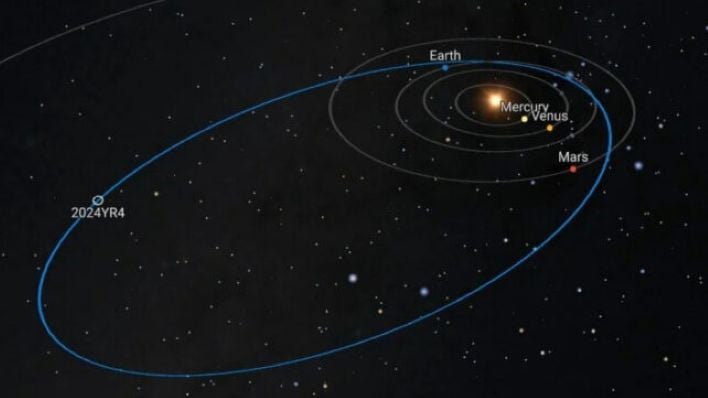
According to recent research hosted on the arXiv server, the energy released upon impact would be equivalent to 6.5 megatons of TNT. A fresh strike of this magnitude would provide scientists with an opportunity to observe how shockwaves travel through lunar soil and how the Moon’s thin exosphere reacts to a sudden injection of dust and vaporized rock. For observers on Earth, the moment of impact would likely appear as a brilliant, if brief spark on the dark portion of the lunar surface.
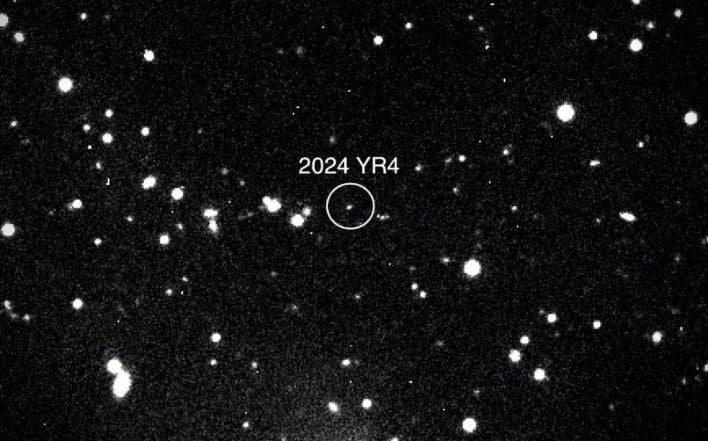
For now, the prime observation window for Asteroid 2024 YR4 will begin somewhere in 2028. Experts will therefore have plenty of headroom to determine with greater certainty if a lunar impact will even occur and, if so, what to expect. In which case, all eyes (and telescopes) will be pointed at the Moon. The paper even declares that "on the Moon, active orbiters and landers should be placed in recording or imaging mode, and seismometers armed for immediate data logging."





