



Apple’s $2B Q.ai Deal Could Unlock Voice-Free AI Device Control


Apple’s SVP of Hardware Technologies, Johnny Srouji, was effusive in his praise of bringing Q.ai into the fold. He says that it’s a “remarkable company that is pioneering new and creative ways to use imaging and machine learning."
To get a sense of what Apple will be gaining from this acquisition, one needn’t look further than one of the patent applications Q.ai filed last year. The company describes being able to use “facial skin micromovements” to discern what a person might be saying, determine someone’s emotions, and track physical indicators such as heart and respiration rate.
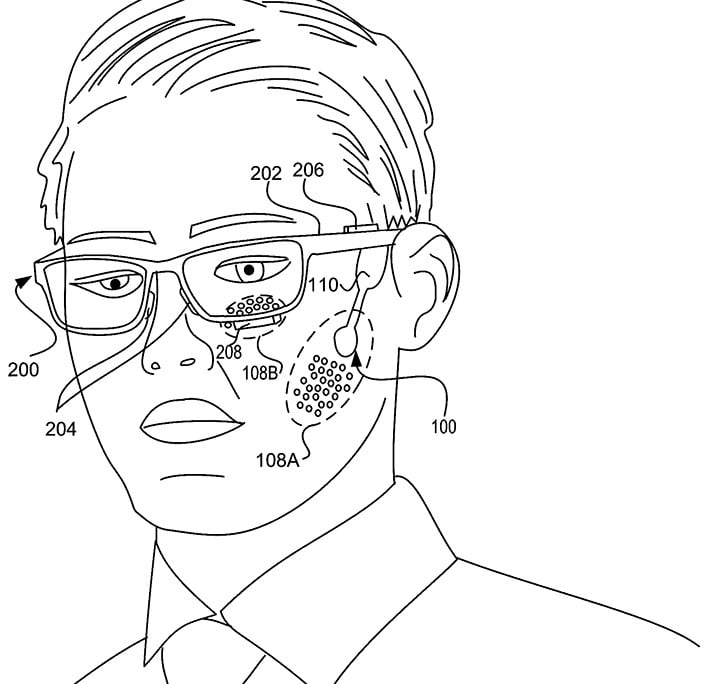
This deal could make a lot of sense for Apple and the company is very familiar with its Q.ai's CEO, Aviad Maizels. In 2013, Apple acquired a different company founded by Maizels, called Primesense. The technologies it acquired from Primesense would ultimately allow Apple’s devices to shift from relying on fingerprint sensors to the facial recognition systems that are in use on iPhones today.
While Apple didn’t mention how it plans to integrate Q.ai's technologies, you could imagine that Apple AirPods could be some of the first devices to benefit. The company has been slowly adding more features that include hearing protection, heart rate sensing and live translation, but Apple also likely wants to explore what AI-powered features it can offer customers to entice future device upgrades. There’s also the long rumored smart glasses the company is working on, which would undoubtedly put some of these technologies to good use as well.





