



Wolf Supermoon Gets Ready To Howl As First Full Moon Of 2026


Skywatchers, prepare for the first full moon of the year that's set to reach peak illumination this Saturday (January 3) at 5:03 a.m. EST. This particular lunation is classified as a supermoon, the phenomenon that occurs when the moon reaches its full phase while at perigee, i.e. its closest point to Earth along its orbit. During this time, the moon can appear up to 14% larger and 30% brighter than the usual full moon. This means: the moon will be an easy target even for those living in areas with significant light pollution. For the most dramatic view, experts suggest watching the moonrise on the evenings of Friday, January 2, or Sunday, January 4, when the "moon illusion" near the horizon makes the orb look exceptionally massive against the horizon.
The name "Wolf Moon" has roots in deep Old English and Celtic winter folklore, specifically referring to the period when wolves were traditionally heard howling more frequently outside settlements during the cold January months.
That said, this January event is only the beginning, as 2026 will feature an additional supermoon on May 31 (most commonly known as the Blue Moon). Most years, there would be 12 supermoons, but a 13th occurs approximately every two to three years.
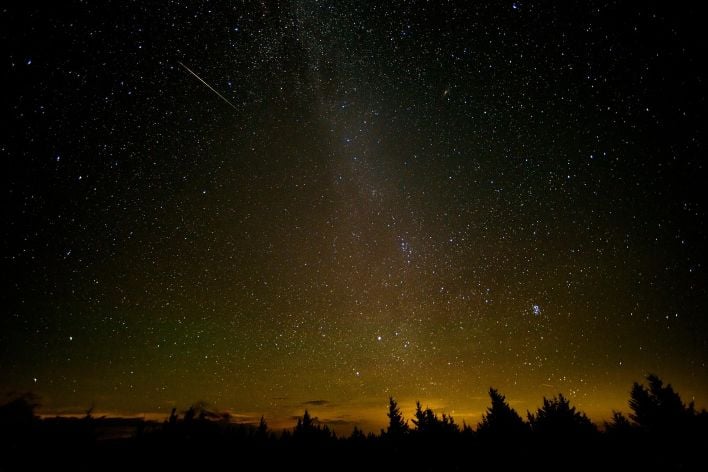
As winter progresses into February, the night sky will offer a rare planet parade. Observers will have the chance to see Mercury, Venus, Mars, Jupiter, Saturn, Uranus, and Neptune all visible in various parts of the sky, appearing to align depending on where you're located.
This month will also be a premier time for deep-sky viewing in the Northern Hemisphere, with the Andromeda Galaxy becoming visible to the naked eye under dark conditions.





