



Double Full Moons and Shooting Stars: A Guide to May’s Celestial Events


Night skies in May are set to host a pretty rare trifecta as a blue moon sequence pairs with a peak meteor shower. Even though the "blue moon" term often refers to the second full moon in a single calendar month, this month’s event follows the seasonal definition—the third of four full moons in a single season—making it a rare occurrence that won't repeat for several years, like a leap year of full moons.
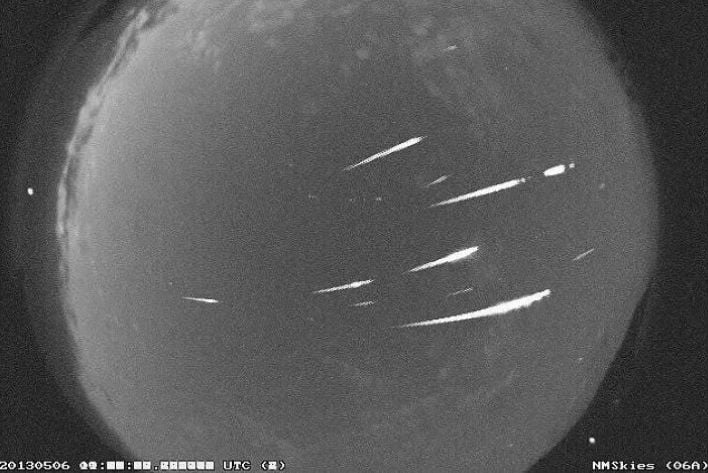
The show begins early in the month with the peak of the Eta Aquarid meteor shower. Originating from debris left behind by Halley’s Comet, the Aquarids are known for their speed and earthgrazers, which are long-lasting meteors that streak across the horizon. Because the first full moon of the month, the flower moon, does not arrive until mid-May, the early weeks provide the dark-sky conditions ideal for viewing the meteors (up to 30 per hour). Those located in more southern latitudes are expected to have the best vantage point, though, as the radiant point in the constellation Aquarius sits higher in the sky, though the shower still will be visible globally given clear weather.
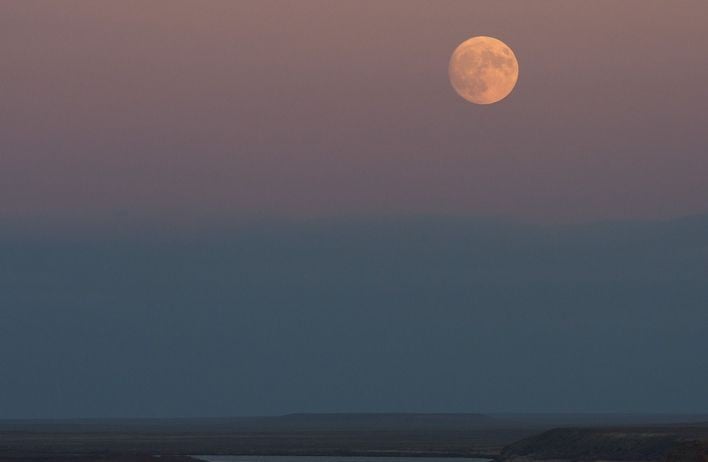
As the month progresses, the focus shifts to the Moon’s unusual schedule. Typically, the flower moon represents the blooming period of late spring, but this year adds a special treat. A seasonal blue moon happens because the period between two vernal equinoxes occasionally fits 13 full moons instead of the usual 12. This extra moon creates a surplus that pushes the lunar cycle out of sync with the standard three-moons-per-season cadence. Unlike the monthly blue moon (a quirk of the Gregorian calendar), the seasonal blue moon is tied directly to the Earth’s orbit and the sun’s position.
It goes without saying that the visibility of these events depends heavily your local weather conditions. For those watching from backyard telescopes or open fields (away from city lights or strong ambient illumination, natch), May is quite the dense schedule of cosmic activity that requires nothing more than a clear horizon and a bit of patience. Also, while the moon will not actually appear blue, the moonrise during the blue hour of twilight can often contrasts nicely against the deepening sky.





