



Supreme Court Reviews Google Geofence Warrants in Landmark Digital Privacy Case


In this particular case (pun intended), the robbery investigation had law enforcement obtain from Google location data for devices that had been near the crime scene during a specific window. Google’s location-history system, once known as Sensorvault, can narrow a broad area and time period into a list of devices, then a smaller list of potentially relevant users. In argument, the petitioner’s lawyer told the Court that process amounted to the government directing Google to search “every single person’s account” and that the warrant functioned like a general warrant, the kind the Fourth Amendment was written to prevent.
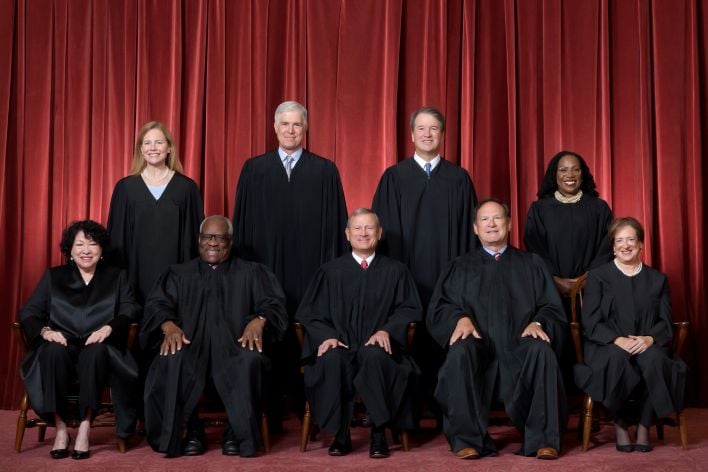
What made the exchange especially striking was how the justices kept bumping into the same modern paradox: data that feels private because it sits behind a password can still be reachable through a company’s systems. The petitioner argued that cloud-stored location history should be treated like property or, at minimum, as information that carries a strong expectation of privacy. He also warned that if the government’s theory wins, the same logic could extend to email, photos, and calendars stored online.
This concern isn't the first, of course. Geofence warrants have exploded in use as police learned they could cast a digital dragnet around a scene and let Google narrow the field. In one report, Google acknowledged receiving more than 20,000 geofence warrants from 2018 to 2020, with requests rising sharply year by year.
The transcript shows the Court probing not just privacy, but architecture. If the data is indexed by account and locked behind individual credentials, as the petitioner argued, does that make each profile a kind of virtual safety deposit box? If so, a warrant that forces a company to inspect every box before identifying the targets may look more like the authorities rummaging through your stuff before even knocking on your door.
Main photo credit: Wikimedia Commons /Joe Ravi, CC BY-SA 3.0





