



Multiple Studies Say Video Games Can Boost Brain Power And Fight Burnout


Another similar study was published in October, named simply Creative experiences and brain clocks, was published in Nature Communications with a daunting list of 50 authors. This study is larger in scale and takes a more scientific approach than simply interviewing or observing participants, instead directly measuring brain clocks via EEG machinery. The findings were quite interesting, and tested across dance, music, visual arts, and video games—all tasks where learning and creative thinking are integral to the process.
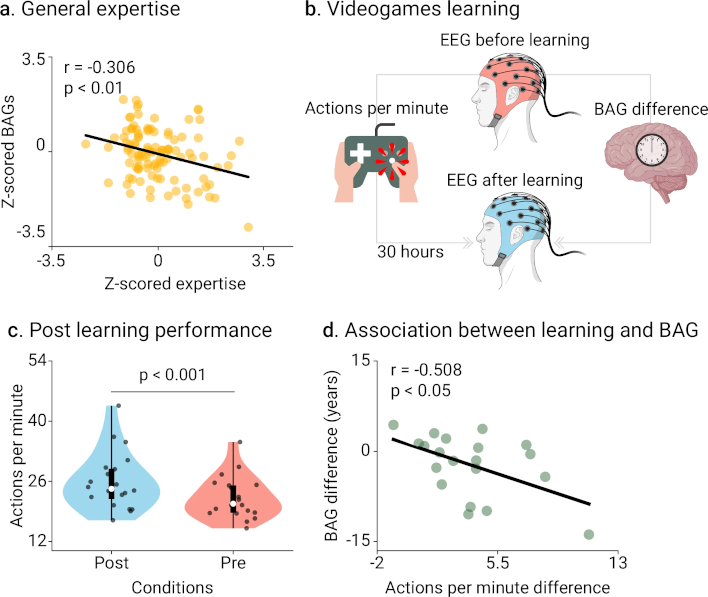
To summarize the findings of the 20+ page research paper, the writers of Creative experiences and brain clocks determined that video gaming did show signs of reducing brain age and improving performance in learning and problem solving. Other creative activities fared well, too.
The combination of these studies doesn't necessarily mean that your next 8-12 hour gaming binge is justified, though. The Super Mario Bros. and Yoshi Games' Affordance of Childlike Wonder and Reduced Burnout Risk in Young Adults study still notes that "The benefits of video gameplay, including Super Mario Bros. and Yoshi, are likely to be contingent on moderate, voluntary play primarily for enjoyment. Compulsive video gameplay or excessive escapism used solely to avoid real problems can be maladaptive and undermine optimism by neglecting real-world agency. Moreover, playing [...] games can help mitigate individual experiences of burnout, but does not address systemic causes (eg, excessive workload, unfair practices). This, it may complement, not replace, organizational interventions."
So, these studies are better taken as a reference point for the utility of gaming as a healthy hobby and periodic form of stress relief—not a magic cure-all to woes at work, school, or home. The problems causing you stress do still need to be dealt with, after all, and only a certain amount of finite time in a given day can be healthily dedicated to gaming, even for those who make a career out of the pursuit.




