



Rogue SpaceX Rocket Is About To Smash Into The Moon At 5,400 MPH


A leftover three-ton SpaceX rocket stage is set for an unavoidable collision course with the Moon at a speed of 5,400 mph (or seven times the speed of sound) in the early hours this Wednesday, August 5.
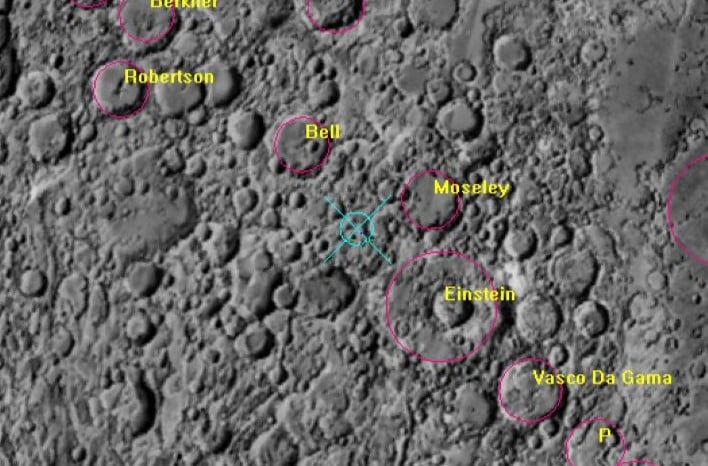
Interestingly, tracking the falling object wasn't made by military tracking radars. Instead, it fell to automated asteroid surveys and dedicated skywatchers across the globe. Independent astronomer Bill Gray of Project Pluto compiled over a thousand of these optical observations into orbital software, some he's used to track another SpaceX rocket hit in 2015. By factoring in the subtle, persistent push of sunlight bouncing off the tumbling metal, Gray pinpointed the impact time to within seconds, targeting a crash site near Crater Einstein on the western edge of the Moon.
While astronomers on Earth will scan the lunar horizon hoping to glimpse the ejecta cloud, space agencies are orchestrating a coordinated campaign to observe the aftermath. NASA’s Lunar Reconnaissance Orbiter and South Korea’s Danuri spacecraft are prepping their sensors and adjusting orbital passes to photograph the newly formed scar. By comparing pre- and post-impact imagery, scientists hope to gain valuable insights into lunar surface geology and the physics of high-velocity impacts. These can help experts figure out how hazard debris impacts can pose to future lunar astronauts.
Even though it's a rare event, the crash serves as a reminder of the lingering problem of space junk in cis-lunar space. As commercial and international missions to the Moon rapidly multiply, discarded rocket stages remain adrift for years without automated disposal systems.





