



PC Market Braces For Pricing Volatility As Memory Shortage Extends To 2027


The second half of 2026 will not bring much relief to the PC market that has been ravaged by soaring memory and storage prices, and instead is shaping up to be turbulent, according to IDC. According to the market research firm, PC shipments will continue to decline as conditions progressively worsen through the fourth quarter, and 2027 isn't expected to be much better.
Ending the year on a thud, fourth quarter shipments are forecast to drop 20% year-over-year, pushing full-year shipments down 11.3%. The primary culprit is the persistent memory shortage. Unfortunately, the market research firm predicts there will be no meaningful relief to the memory shortage next year, and that means more price increases as PC makers struggle with inventory.
While not surprising, it's still disappointing, especially after the first quarter of 2026 offered up signs that things might actually be improving as shipments increased 3%, with some carryover expected into Q2. However, IDC says the uptick was fool's gold.
"The anticipation of rising prices and of limited availability of some system configurations due to memory and other component shortages has led some end-users to make purchases earlier than anticipated," said Jean Philippe Bouchard, Vice President of Devices and Consumers at IDC. "We’re not seeing any relief to the memory shortage situation before the end of 2027, which means prices will continue to rise and PC manufacturers will struggle to maintain full product portfolios for the foreseeable future."
It's not all bad news, though. The market research firm says Apple's MacBook Neo drove stronger-than-expected notebook demand, so much so that it had to upwardly revise its laptop forecast.
The early success of the MacBook Neo, which is Apple's least expensive MacBook to date, is also expected to put real pressure on the PC ecosystem at large. IDC anticipates vendors will respond with new silicon, more aggressive pricing, and on Microsoft's side, OS tweaks to Windows.
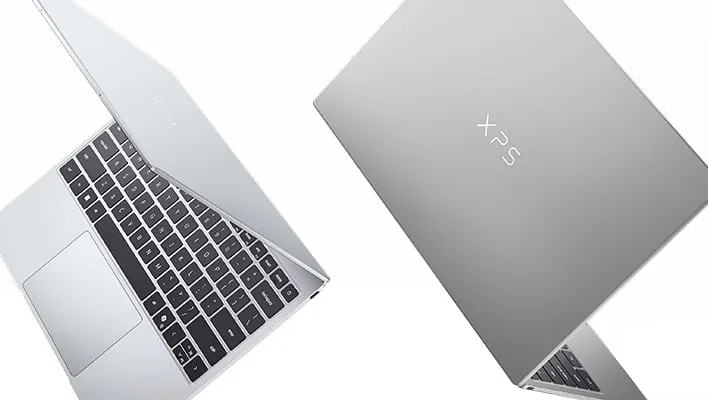
We're already seeing this play out in various ways. Intel in April launched its Core Series 3 processors, otherwise known as Wildcat Lake, to give OEMs more affordable silicon to compete with the MacBook Neo. Right no queue, Dell this week unveiled its lightest XPS 13 laptop ever, which incorporates Wildcat Lake with a starting price of $599 for students, and $699 for everyone else.
That's the same price as the MacBook Neo with 8GB of unified memory and 512GB of storage, specs that the XPS 13 matches. Dell tells us it plans on launching a version of the XPS 13 with 256GB of storage later this year, and we suspect it will match the $599 price ($499 for students) of the base MacBook Neo (8GB/256GB).
It's also notable that NVIDIA is looking to shake up the PC market with RTX Spark, an Arm-based chip designed for the era of AI agents. A lot of major PC makers are already on board with RTX Spark laptops and mini PCs in the pipeline, and it will be interesting to see if that impacts IDC's forecast.




