



Intel Confirms Rocket Lake-S CPUs Won't Be Compatible With All 400-Series Motherboards


However, if you're currently running an entry-level/mid-level Intel 400-Series motherboard, we've got some bad news for you. Intel has confirmed in a new support document that motherboards using H410 and B460 chipsets will not be compatible with Rocket Lake processors. Intel just launched the H410 and B460 last year with Comet Lake, so it's quite disappointing that just a year later, those motherboards aren't even compatible with Rocket Lake. In essence, this makes those motherboards one-and-done, given that Intel is expected to move to the all-new LGA-1700 socket with 12th generation Alder Lake processors later this summer.
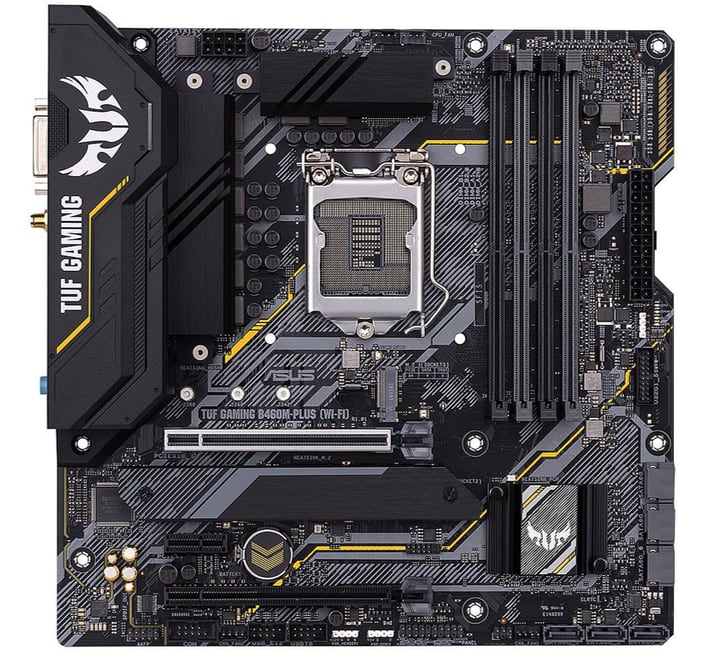
So, if you have an H410/B460 motherboards and want to upgrade to Rocket Lake, your options are to get a current-generation H470 or Z490 motherboard (with a requisite BIOS update) or upgrade to a new 500-Series motherboard. Neither is really a compelling option, given the costs involved.
At this point, even with all the performance benefits that Rocket Lake will offer over Comet Lake, those on H410/B460 motherboards might be better served by simply waiting until Alder Lake arrives. We're not sure how many would want to go through the hassle of getting a new motherboard and CPU only for it to be a dead-end with regards to processor upgrades in just a few months.
Intel is promising up to a 19 percent IPC lift with its Rocket Lake family, and the flagship offering will be the Core i9-11900K, which can boost up to 5.3GHz. Rocket Lake's successor, Alder Lake, will be Intel's first hybrid CPU architecture for the desktop market. It will be built on a 10nm SuperFin process node and is expected to bring further improvements in performance and efficiency along with support for DDR5 memory.




