



Google Wear OS 7 Debuts: 10% Battery Boost, 'Live Updates' and Gemini Intelligence


Google says watches upgrading from Wear OS 6 can expect up to 10% better battery life, which is not huge, but better than nothing. That said, the efficiency claims cover broader system refinements as well, which means a more fluid user experience.
Visually, the biggest change is the move from full-screen Tiles to Wear Widgets, which come in small (2x1) and large (2x2) card-like sizes and are meant to align more closely with the widget system on phones. The goal is for glanceable panels to feel more consistent, more flexible, and easier for developers to build without bending every app around a watch-specific format.
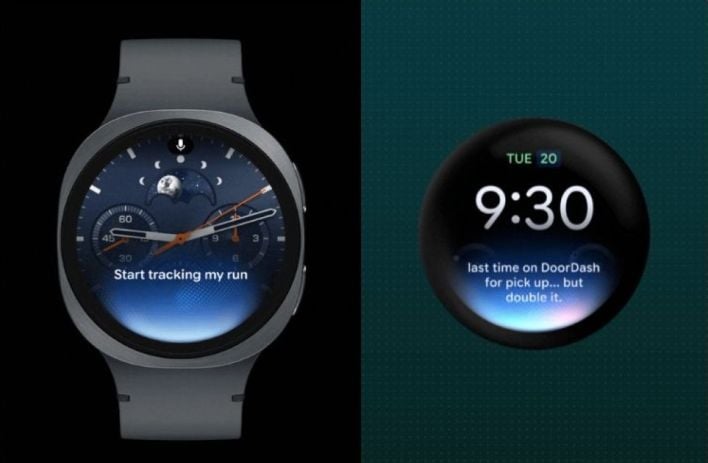
Wear OS 7 also is big on Live Updates, bringing persistent, at-a-glance tracking for things like workouts, rideshares, deliveries, and navigation directly to the watch face and notification flow. Instead of forcing users to reopen apps for every status change, Google wants the watch to behave like a live dashboard of sorts.
Of course, AI is the other major thread. Google is adding Gemini Intelligence support to select watches later this year, along with AppFunctions APIs that let apps connect more directly to Gemini for actions and automation. That could mean wrist-based commands that do more than answer questions, such as launching a workout tracker, triggering delivery actions, or handling other app tasks with less tapping.
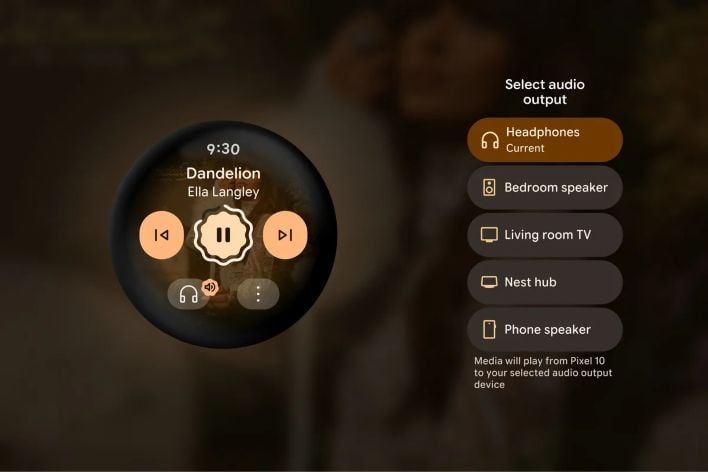
Media controls are supposedly getting smarter with per-app auto-launch settings and a Remote Output Switcher for moving audio between Bluetooth devices, phone speakers, and other outputs from the watch. Google is also standardizing fitness tracking with the new Workout Tracker, so app developers can rely on a common foundation instead of rebuilding the same heart-rate and media-control features over and over.
For developers, the update is almost as important as the consumer-facing features, since the new OS has newer watch-face tools, support for more expressive widget layouts, and a broader shift toward a more unified Android design language. The true test of how good the new OS will be, however, is this: the best smartwatch software usually disappears into muscle memory. The keynote demo seemed mighty impressive in this regard, but will it live up to the hype?





