



Google Follows Growing Trend To Move Pixel 7 Manufacturing Out Of China


The fall release of Google’s Pixel 7 and 7 Pro is drawing near, with the launch date purportedly set for October 6. Once consumers get their hands on these devices, they may notice a label on the back of the box indicating that the phones were manufactured in Vietnam. According to anonymous sources interviewed by The New York Times, Google has a plan in motion to shift manufacturing of its flagship handsets away from China to Vietnam. The sources say that this plan is far enough along that some Pixel 7 devices will be made in Vietnam.
Google is apparently expecting up to half of “next year’s high-end Pixel phones” to be made in Vietnam. However, The New York Times doesn’t clarify whether this statement refers to Pixel 7 devices manufactured and shipped in 2023 or the Pixel 8 devices expected to launch next year. Google may also launch a foldable phone in 2023, but the screen and hinge technology necessary for such a device may require that it be manufactured in China where the suppliers of those components reside. Nonetheless, Google looks to be serious about moving its phone manufacturing.
Google is apparently expecting up to half of “next year’s high-end Pixel phones” to be made in Vietnam. However, The New York Times doesn’t clarify whether this statement refers to Pixel 7 devices manufactured and shipped in 2023 or the Pixel 8 devices expected to launch next year. Google may also launch a foldable phone in 2023, but the screen and hinge technology necessary for such a device may require that it be manufactured in China where the suppliers of those components reside. Nonetheless, Google looks to be serious about moving its phone manufacturing.
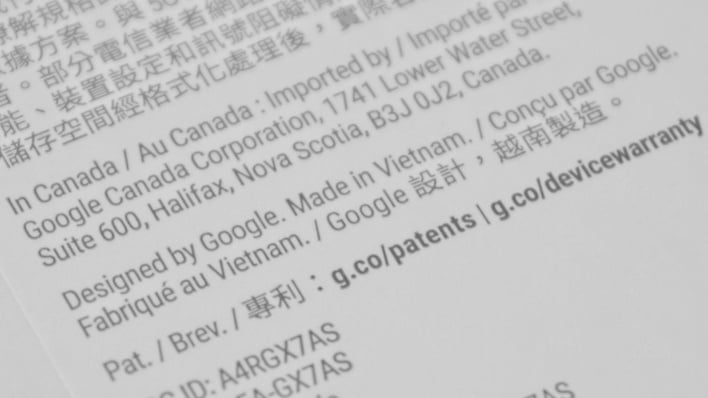
Google’s more budget-friendly phones have been made in Vietnam going back to at least the Pixel 4a. If the company moves the manufacturing of its higher-end phones to Vietnam as well, it will be joining in a larger trend of tech companies working to relocate their manufacturing out of China. Apple is similarly attempting to move some of its iPhone manufacturing to India.
These moves are being made amid rising tensions between China and Taiwan. China denies Taiwan’s claims to independence and could attempt to subdue the island nation by force. Such an aggression would likely disrupt US-China relations, putting device manufacturing operations located in China in jeopardy. These fears are probably driving tech companies to look elsewhere for manufacturing capacity. Other contributing factors may be rising costs associated with tariffs imposed on Chinese manufacturing and China’s commitment to its Zero-COVID policy, which continues to drive supply chain disruptions.
These moves are being made amid rising tensions between China and Taiwan. China denies Taiwan’s claims to independence and could attempt to subdue the island nation by force. Such an aggression would likely disrupt US-China relations, putting device manufacturing operations located in China in jeopardy. These fears are probably driving tech companies to look elsewhere for manufacturing capacity. Other contributing factors may be rising costs associated with tariffs imposed on Chinese manufacturing and China’s commitment to its Zero-COVID policy, which continues to drive supply chain disruptions.



