



Don't Miss December's Full Cold Supermoon & Geminids Meteor Shower Spectacle


The grand curtain call of 2025's lunar cycle ends with the full cold moon on December 4 (Thursday), which is expected to reach peak illumination at 6:14 p.m. EST. This moon's namesake comes from arguably (and typically) the most frigid time of winter. But wait! This isn't just any cold moon; this one will also be a supermoon, making it the third and final instance of this phenomenon for the year. Supermoon refers to a new or full moon that occurs when the Moon is within 90% of its closest approach to Earth, or perigee. This means that the full moon can appear up to 7% larger and nearly 15% brighter than a typical full moon.
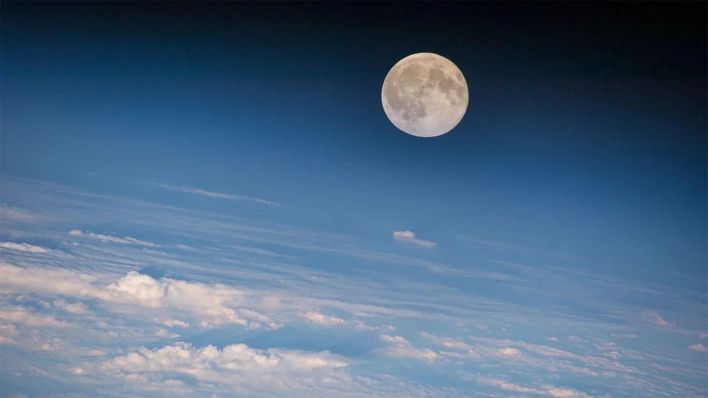
December's super cold moon will also climb higher above the horizon for quite some time, especially so for viewers in the Northern Hemisphere, a spectacle that won't be witnessed again until 2042. This rare elevation is a result of its close proximity to the winter solstice, which falls just a couple of weeks later. As the Sun travels its lowest arc in the sky near the solstice, the path of the full moon is consequently at its highest. This dual alignment of perigee and maximum orbital height guarantees a luminous orb dominating the longest nights of the year, bathing the landscape in an unusually strong silvery glow. The Moon's opposition to the Sun means it rises right as the Sun sets, offering observers a full, long night of viewing potential.
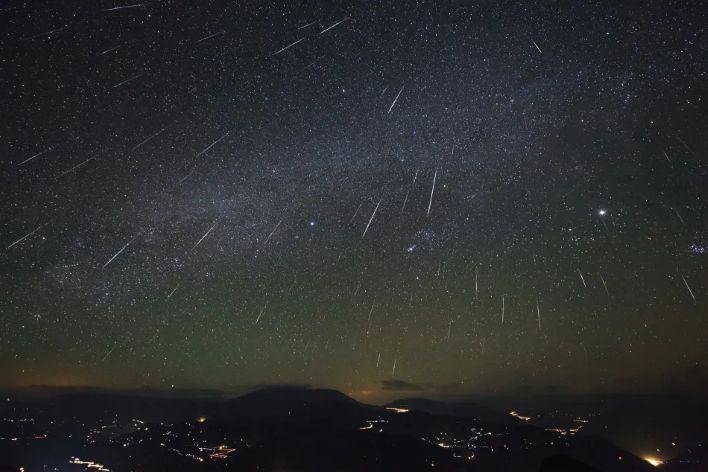
But wait (again)! This month isn't limited to the supermoon alone. Nearing mid-December, the popular Geminids meteor shower is set to peak. Known for producing slow, bright, and often colored shooting stars originating from the asteroid 3200 Phaethon, the Geminids typically boast rates of over 100 meteors per hour under ideal conditions.
Unfortunately for enthusiasts, the brightness of the full moon phase will likewise prove a curse this time round, as it will be bright enough to wash out all but the brightest meteors during the shower’s peak. Viewers hoping to catch the streakers will need to position themselves to block the intense moonlight or focus their attention on the periods just before dawn when the Moon may have already set.





