



Apple Allegedly Limiting iPhone 12 mmWave 5G Support To Just A Single Model


According to sources for Fast Company, only the iPhone 12 Pro Max will have mmWave support. The iPhone 12 Pro Max is the largest of the incoming smartphones, and features a 6.7-inch OLED display (1242 x 2688). Allegedly, only the iPhone 12 Pro Max has enough space inside its chassis to accommodate the necessary hardware and antennas for mmWave.
Current 5G networks operate using either sub-6GHz wireless spectrum or millimeter wave (mmWave) spectrum. Sub-6GHz is more closely aligned with existing 4G LTE wireless technology and is capable of delivering next-generation wireless speeds over longer distances. MmWave can deliver even faster speeds (surpassing 1Gbps), but it is only effective over short distances outside, and cannot penetrate through walls.
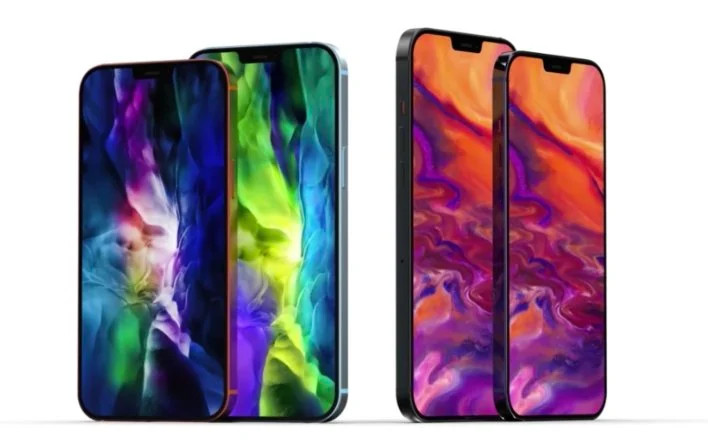
This is a rather peculiar move — if true — considering that there is also the iPhone 12 Pro to consider. It would be highly unusual for Apple to skimp out on mmWave for the iPhone 12 Pro, but provide it on the iPhone 12 Pro Max. These two smartphones usually have features parity, with the main difference being screen size and battery capacity. This move could also be a major sticking point for Verizon, which only supports mmWave – at the moment – for its 5G network. Limiting network support for 5G to just one model of the incoming iPhone family, and that most expensive one at that, could make for some upset customers.
It was already widely expected that the cheaper iPhone 12 and iPhone 12 Max would forgo mmWave support, but this is a rather interesting development from the Apple camp. All of Apple’s new iPhones will be powered by A14 Bionic SoC and are expected to offer considerable performance and efficiency improvements over their predecessors.




