



Anthropic Challenges US Department Of War's Supply Chain Risk Designation


It's no secret that Anthropic CEO Dario Amodei has refused to lift the guardrails that prevent his technology from being used for mass domestic surveillance or in autonomous weapons systems. Amodei argued that providing the military with unrestricted access to these capabilities would be "contrary to American values" during an interview on CBS News. In response, the Trump administration and Defense Secretary Pete Hegseth labeled the company "radical left" and issued a 5:00 p.m. ultimatum last Friday: grant any lawful use access or face a total government ban.
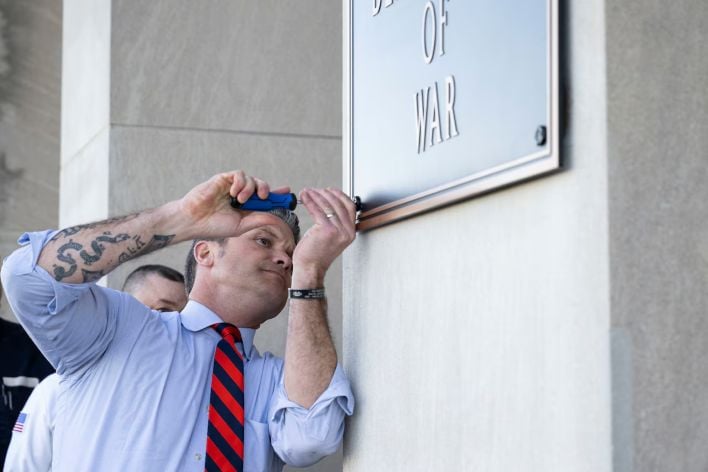
Adding fuel to the fire, the supply-chain risk designation was compounded by reports of a massive security breach involving Anthropic’s own tools. A threat actor allegedly used the company’s AI coding assistant, Claude Code, to bypass safeguards and execute one of the largest government data breaches in history, compromising nearly 195 million identities across Mexican federal agencies. While Anthropic maintains these are architectural vulnerabilities they are working to fix, the Pentagon has used the incident to bolster its claim that the company is a liability.
The vacuum left by Anthropic was filled almost instantly by OpenAI. Within hours of the ban, CEO Sam Altman, who last year predicted that smartphones were coming to an end in favor of AI wearables, announced a major deal to supply the Pentagon with AI for classified networks. While Anthropic prepares to challenge the government’s designation in court, its consumer popularity has surged; the Claude app recently hit the top of the charts as users rally behind the company’s ethical stance.





