



How AMD Is Fighting To Keep Radeon GPU Prices Stable Amid The Memory Crisis


There is a whole lot of uncertainty in the PC gaming landscape over the core hardware needed to crank out high frame rates in demanding titles, and this time it's because the AI market is feasting on all of the memory capacity it can procure. This has led to rumors of ASUS (and, by extension, NVIDIA and it's other add-in board partners) effectively shelving production of the GeForce RTX 5070 Ti and GeForce RTX 5060 Ti 16GB (ASUS clarified that's not actually the case), and concerns over ballooning prices on both GeForce and Radeon hardware. If you're looking for a bit of good news, however, AMD's comments on the matter may give you a sliver hope.
During a chat with Gizmodo at CES earlier this month, AMD's VP and General Manager of Ryzen CPU and Radeon Graphics, David McAfee, explained how the company is navigating the challenging landscape in an effort to keep pricing stabilized.
"We have very strategic partnerships over many, many years with all the DRAM manufacturers to make sure that both the amount of supply that we need and the economics of what we’re able to buy from them are what we can support in our graphics business," McAfee said.
Of course, that's easier said than done, and especially in the current landscape where memory chip makers are being increasingly drawn towards the more lucrative data center. Case in point, Micron decided to end its consumer-facing Crucial brand after a 29-year run "in order to improve supply and support our larger, strategic customers in faster-growing segments." Micron would later try to soften the blow by assuring consumers it's not abandoning them, it's just supporting them through different channels (the OEM business, mostly), but it's tough not to feel like a second-class customer as a consumer these days.
Reading the between the lines of McAfee's comments, our takeaway is that AMD has locked in memory chip supplies to prevent Radeon GPU prices from soaring, though for how long is anyone's guess. McAfee would caveat to the site that he can't predict the future, but that AMD is working with its add-in board partners to keep pricing close to its MSRPs.
"Without the memory at the right price, building graphics cards with our add-in-board partners that hit the right price and market, that’s tough math to put together. So managing that memory ecosystem very closely is absolutely something that is a core part of what we do," McAfee added.
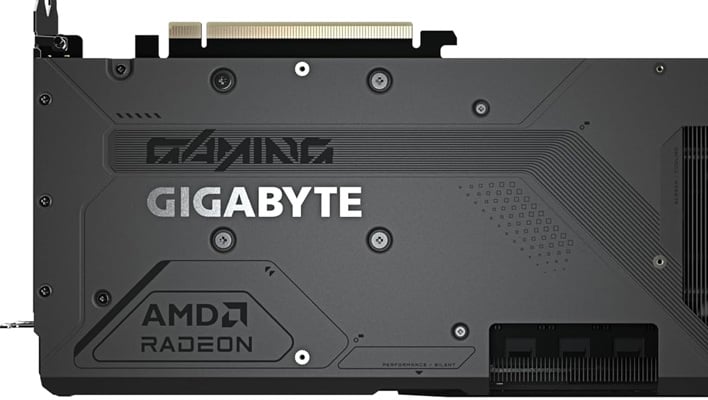
That's been the challenge from the outset, though, and a current look at retail pricing is a little depressing, to be quite frank. For example, the least expensive Radeon RX 9070 XT we found that's in-stock is a factory-overclocked Gigabyte model for $729.99 at Amazon and Best Buy. For reference, AMD's suggested pricing for the 9070 XT is $599.
Things are a little better if looking at the Radeon RX 9070 (non-XT). We took a look and the cheapest in-stock model we could find right now is PowerColor's Reaper variant for $589.99 at Amazon, versus AMD's suggested $549 price point. We're not seeing any in-stock models at AMD's suggest pricing, but at least this one is relatively close.
We'll have to wait and see how AMD's stated efforts to maintain stable pricing work out as the year progresses.




