



Valve Blasts New York Attorney General’s Loot Box Lawsuit In Public Response


Valve has taken exception to the New York Attorney General's lawsuit alleging that its mystery boxes run afoul of New York's gambling laws. In a lengthy, public response, Valve voiced its disappointment in the Attorney General's decision to file the lawsuit, and defended loot boxes as being similar in concept to opening up a pack of baseball cards.
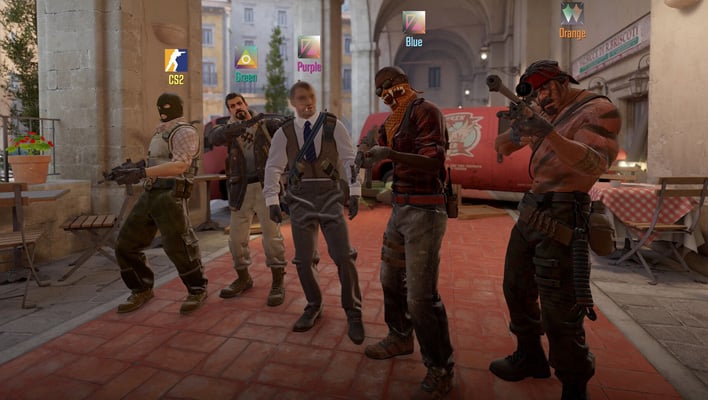
Loot boxes are big money makers for Valve, generating billions of dollars from games like Counter-Strike: Global Offensive. Valve does not normally discuss litigation in public, but given what's at stake (including a precedent that other states might be inclined to capitalize on, depending on how it turns out), it's not surprising to see Valve make an exception.
"We have serious concerns with many of the alterations the NYAG claims are necessary to make to our games. First, the NYAG seems to believe boxes and their contents should not be transferable. They appear to assume digital mystery boxes and items in our games are different from tangible items like baseball card packs (which contain random cards), and to take issue with the fact that users have the ability to transfer the items they receive through Steam Trading or user-to-user sales on the Community Market," Valve says.
Valve also compared loot boxes to other trading cards, such as Pokemon and Magic the Gathering, and Labubu boxes. It notes that in the gaming space, digital packs have been around for over two decades and are widespread today. Valve further argues that loot boxes are optional.
"Players don't have to open mystery boxes to play Valve games. In fact, most of you don't open any boxes at all and just play the games—because the items in the boxes are purely cosmetic, there is no disadvantage to a player not spending money," Valve says.
Beyond the comparison to baseball cards and the like, Valve says it has cooperating with the NYAG's investigation and share what efforts it had made to shut down accounts using its loot box items on gambling sites, which is a violation of its Steam subscriber agreement. According to Valve, it's locked over a million Steam accounts due to gambling, fraud, and theft.
Valve also says the "NYAG seems to believe boxes and their contents should not be transferable." In contrast, Valve sees transferability as a right that should remain and said it refuse to budge on that front.
The other issue raised in Valve's response is the NYAG's proposal for more data collection than what already exists.
"The NYAG also proposed to gather additional information (beyond what we normally collect in the course of processing payments) about each game user on the off-chance someone in New York was anonymizing their location to appear outside of New York, such as by using a VPN. This would have involved implementing invasive technologies for every user worldwide," Valve says.
It will be interesting to see how this ultimately plays, especially since the ramifications are so big. While we wait to find out, you can check out Valve's full response.




