



Trump Bludgeons Foreign Drone Imports With A 100% Tariff Hammer


In a major escalation of efforts to insulate critical technologies and reshore high-tech manufacturing, President Donald J. Trump signed a presidential proclamation imposing tariffs of up to 100% on imported foreign quadcopters and their critical components. This is excluding the latest sweeping ban being proposed by the FCC.
Issued under Section 232 of the Trade Expansion Act of 1962 following an investigation by Commerce Secretary Howard Lutnick, the executive measure targets foreign dependencies that administration officials deem significant threats to U.S. national and economic security. The findings highlight that domestic defense and commercial sectors remain heavily dependent on overseas unmanned aircraft systems (UAS) and parts, creating acute supply chain vulnerabilities and potential cybersecurity risks.
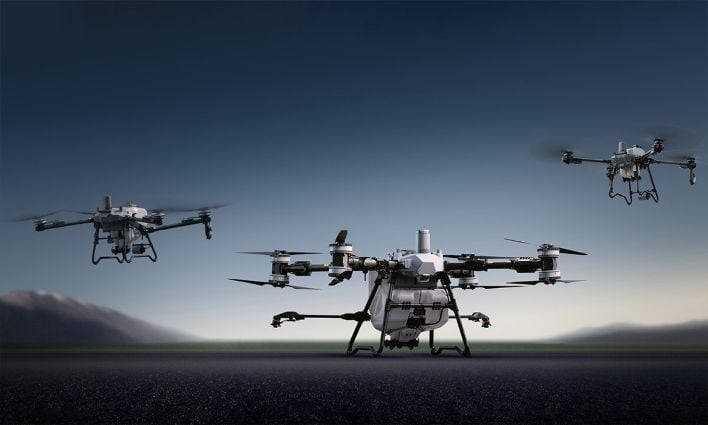
Even though the tariffs apply broadly across international suppliers, it is China that remains the implicit primary focal point. Chinese companies, led by Shenzhen-based DJI Technologies, have long dominated the U.S. market, accounting for an estimated 70% of commercial drone sales. The new duties compound mounting pressure on Chinese drone manufacturers, which already face potential cutoffs from key communication bands following growing Federal Communications Commission restrictions.
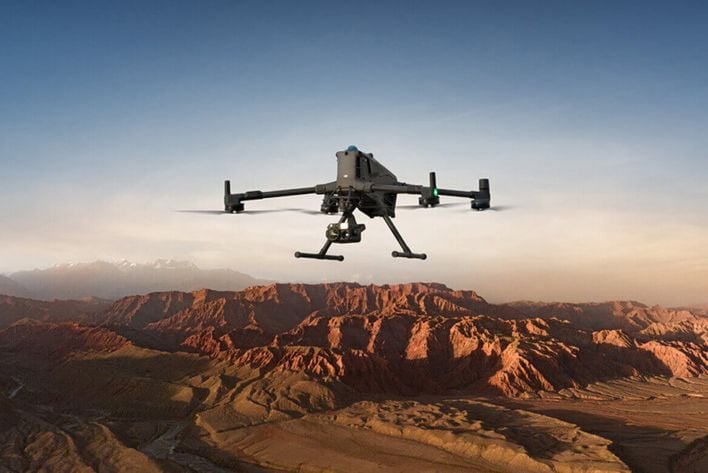
Most of the new duties will take effect 21 days after the signing, giving importers an unfortunately narrow window to adapt. However, tariffs on less sensitive components, as well as products granted temporary exemptions by the DoD, will carry a 180-day grace period. Alongside the levies, the Commerce Department has been authorized to establish a dedicated onshoring program to incentivize new private investments in U.S.-based drone manufacturing facility expansion, which is really what this is all about—bringing everything back to America.





