



Thomas Edison's Lost EV Battery Idea Returns As New Prototype Recharges In Seconds


In the early 1900s, Edison bet on a nickel-iron battery to power the burgeoning electric vehicle market (that made up a third of all U.S. vehicles), believing it to be more durable than lead-acid alternatives. While his design was incredibly resilient, it was too slow to charge and too bulky for the cars of the era, eventually losing out to the internal combustion engine. Now, a research team led by chemists at UCLA has reimagined this relic for the 21st century. By applying nanotechnology to Edison’s iron-and-nickel chemistry, they have created a device that can recharge in roughly two minutes.
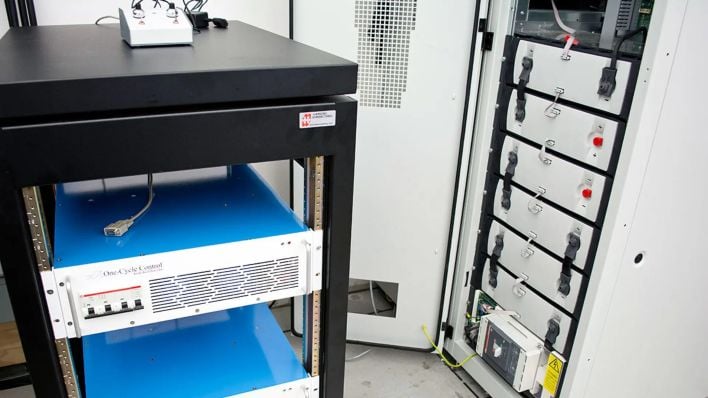
The breakthrough lies in the electrode architecture. In Edison’s OG version, the iron and nickel were simply mixed together. The modern iteration improved this by growing nanocrystals of iron oxide onto carbon nanotubes and nickel hydroxide onto graphene. This creates a high-speed electron pathway, therefore solving the primary bottleneck that partly forced Edison’s design into obscurity: slow power delivery. The result is a hybrid device that offers the high energy density of a battery with the rapid-discharge power of a capacitor.
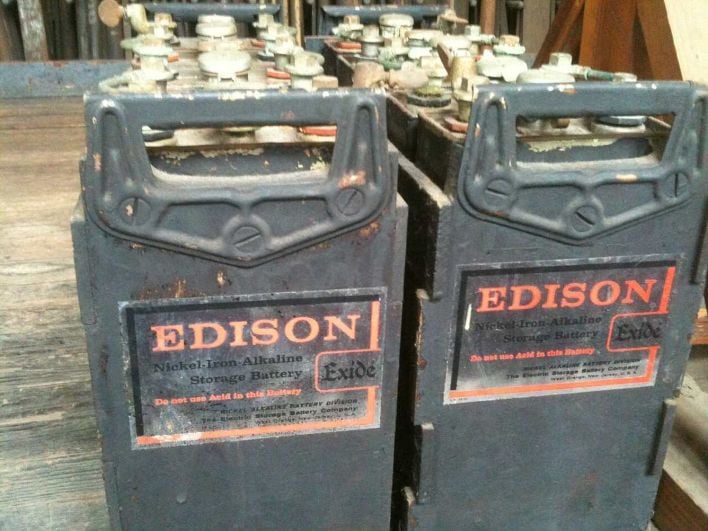
Despite such impressive stats, the Ni-Fe hybrid battery isn't ready to replace your EV or phone battery just yet. Its energy density still lags behind modern lithium-ion cells, meaning it would take a larger, heavier pack to power a, say, long-range Tesla. However, its safety and longevity make it a perfect candidate for grid-scale energy storage: it could soak up excess electricity from solar farms in seconds and release it reliably for decades, providing the stable infrastructure needed for a fully renewable power grid.





