



Sun Erupts Violent Solar Flare Causing A Major Radio Blackout


Recorded by NASA’s Solar Dynamics Observatory (SDO) and peaking late on November 30 at 9:49 p.m. ET, the violent outburst erupted from a newly developing active region called AR4299 as it rotated into Earth’s view. X-class flares are the most intense category of solar eruption, and this one immediately delivered a powerful punch. This sudden surge of high-energy radiation ionizing in Earth's upper atmosphere (traveling at the speed of light, no less), effectively absorbed high-frequency radio waves, leading to a strong (R3) radio blackout on the sunlit side of the planet. Communication grids that rely on shortwave radio, e.g. maritime, aviation, and emergency services, across the entire Australian continent and surrounding regions, were temporarily silenced. Thankfully, the blackout was brief enough to not cause major reported issues.
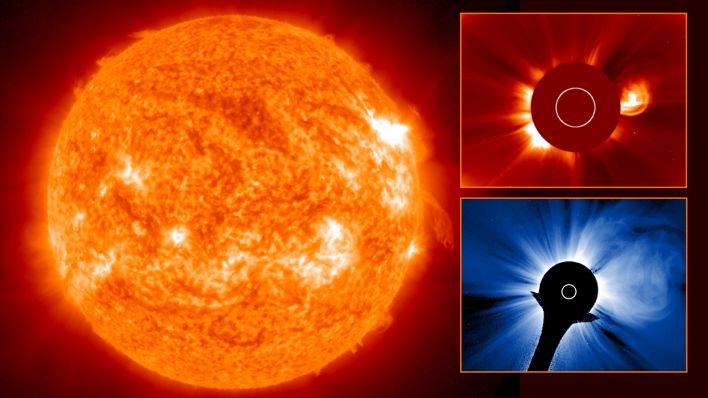
That said, the more immediate threat lies with a gargantuan sunspot group, AR4294, which is now turning its highly-active magnetic structure toward Earth. This region, already responsible for multiple major X-class flares last month, has only grown in size and complexity, forcing the NOAA Space Weather Prediction Center to divide it into three distinct numbered groups due to its sprawling nature.
Forecasters anticipate a continuation of medium-intensity (M-class) solar flares and a distinct possibility of further, even stronger, X-flares between December 1 and 3. While the geomagnetic conditions are predicted to remain relatively quiet for now, the sheer scale of AR4294 means the odds of an Earth-directed CME—and the accompanying risk it brings to our comms infrastructure—are climbing rapidly.





