



September 2025 Stargazing Guide: Full Corn Moon, A Ghostly Pyramid And Much More


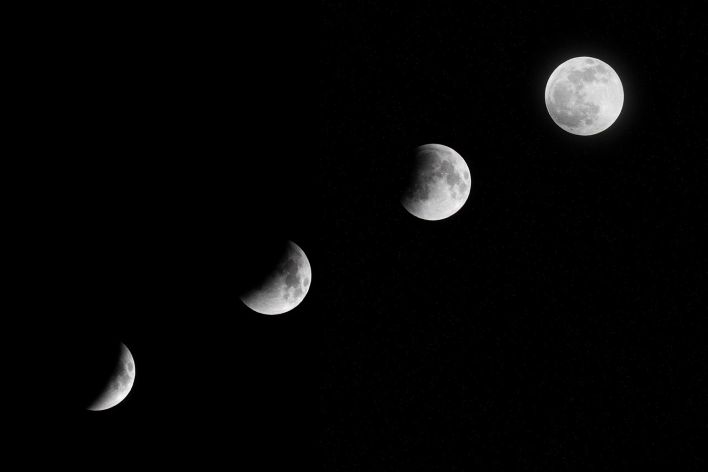
The month kicks off with a total lunar eclipse on September 7. Often referred to as the full Corn Moon, this event will see the Moon pass into Earth’s shadow, taking on a deep, reddish/golden hue. This is a must-see event, visible from a large portion of the globe. Following this, on September 12, a lunar occultation will occur as the Moon passes in front of the Pleiades star cluster, temporarily hiding the stars in that area from view.
And then there's the rather elusive zodiacal light, sometimes known as the false dawn, which is best seen for around two weeks from the 19th. Just look towards the eastern pre-dawn sky and you could spot the faint, pyramid-shaped glow created by sunlight reflecting off cosmic dust in the inner solar system. The glow is similar in intensity to the light of the Milky Way, but can be mistaken for artificial lights, so be sure to view the false dawn away from strong light sources like the Moon or cities.
The month concludes with the expected seasonal milestone: the Autumnal Equinox on September 22. On this day, the sun shines directly on the equator, bringing a near-equal amount of daylight and darkness to all parts of the world. For folks here in the Northern Hemisphere, it signals the beginning of autumn and longer nights, providing more hours for stargazing, as well as the foreboding dread of leaf-raking.
Zodiacal Light photo credit: ESO/Y. Beletsky via Wikimedia





