



Samsung's Galaxy S28 Could Ditch Snapdragon And Go All-In With Exynos


For multiple generations, Samsung has used a mix of Qualcomm Snapdragon and its own Exynos SoCs in its Galaxy devices, depending on the region or price/performance target, but rumors are swirling that suggest Samsung plans to shift completely to in-house silicon by 2028.
Samsung keeps adding in-house silicon blocks. Makes it even harder to believe Exynos exists just for 25% of Galaxy S. Exynos 2600 taking ~25% in S26 looks like a starting point, not an end state. You don’t pour money into in-house CPU and GPU design for a permanent minority role.
— Samir Khazaka (@SamirKhazaka) December 28, 2025
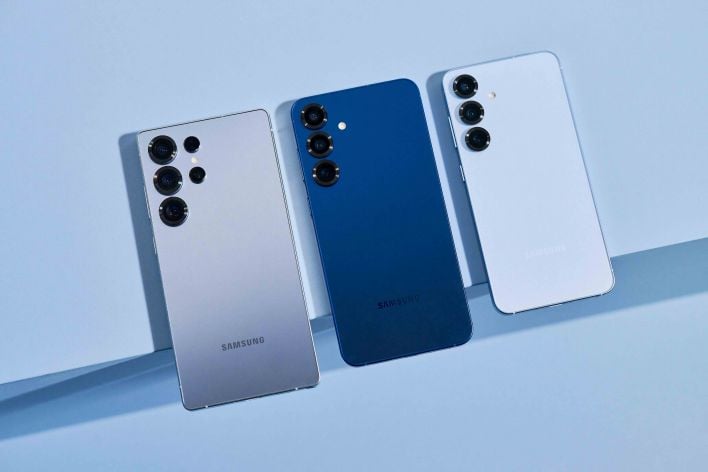
The smartphone landscape of 2028 could look radically different. If fact, Samsung's entire product portfolio could look drastically different; imagine bespoke Samsung silicon with in-house CPUs and GPUs in products ranging from TVs, phones, tablets, robots, etc. For consumers, this future could translate to a more cohesive experience throughout Samsung's ecosystem of products, though it remains to be seen if the Exynos-all-in strategy comes to fruition and can actually compete with subsequent iterations of Qualcomm's Snapdragon, let alone Qualcomm's modems.





