



Samsung Galaxy Z Flip 8 Leak Points to a Major Hinge Overhaul and Creaseless Display


Samsung’s clamshell-style foldables have traditionally been a study in compromise, but the latest rumor points to an about-face, particularly in the mechanical design aspect. According to a report by Naver tipster yeux1122, the South Korean company is incorporating a new hinge mechanism that could reduce the display crease into something barely noticeable (when new, anyway).
This matters because it affects how light hits the panel, how the display feels under the finger, and more importantly, how confidently buyers judge a foldable’s long-term durability. Sure, it's really all about aesthetics; creases don't objectively mean a lower-quality product, but having a creaseless display is the holy grail for many brands.

Aside from the hinge, the Flip 8 is said to be slightly wider than its predecessor, while also being around 0.5mm thinner when folded. That combination sounds modest on paper, but small change like these can make a huge difference in how well it fits in the user's palm and how the phone sits in a pocket, respectively. Weight is also expected to dip. Leaks cited by multiple outlets suggest the phone could come in at around 180g (down from 188g on the Flip 7).
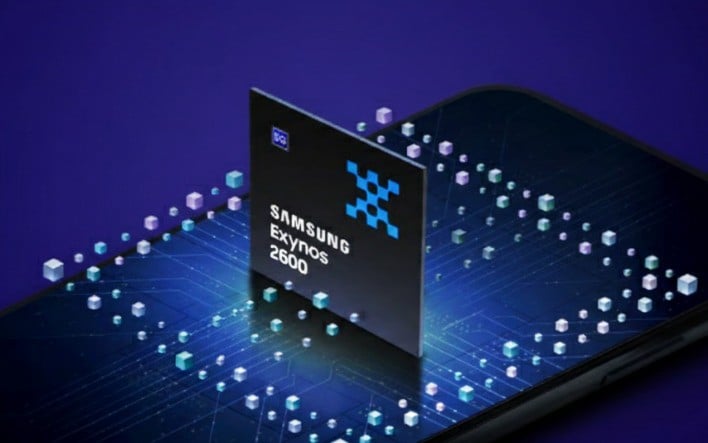
Unfortunately, what the rumors do not promise is a dramatic hardware overhaul. Battery capacity is expected to stay at 4,300mAh with 25W charging, and several core components may remain close to last year’s formula. There is also serious talk of a 2nm Exynos 2600 chip inside, which would fit Samsung’s recent habit of reserving its in-house processors for some foldable models while keeping Snapdragon for its flagship Galaxy S lineup. It's also possible for Samsung to drop an Ultra version that has all the bells and whistles.
Release timing could happen at the July Unpacked event in London, where Samsung could unveil the Galaxy Z Flip 8 alongside the Galaxy Z Fold 8. Pricing is believed to range between $1,100-1,300 (i.e. nearly matching the previous gen), but that may change due to rising global memory prices.





