



AI-Powered Robots are Building Lower-Cost Clay Homes in Texas Using Dirt Dug Up On-Site


South of Austin, a startup and a fleet of AI-powered robots are reviving one of the oldest building traditions by transforming raw earth into modern, affordable housing amidst a worsening building and labor crisis. Think terraforming and 3D printing with dirt all mashed into one.

On a ranch east of Lockhart, Texas, Terran Robotics is using an AI-guided cable robot to scoop, place, and tamp clay pulled from the ground into walls for an adobe-style home. The company’s pitch is to turn the most abundant material on a site into the home itself, which can help construction become cheaper, faster, and less dependent on lumber, concrete, and long supply chains.
That idea is old in principle but radical in execution. Adobe has been used for centuries, but Terran is trying to make it scalable with cameras, machine learning, and software that can spot mistakes as the wall goes up and correct them without waiting for human intervention.
Terran says the system is built to create durable, customizable homes, and the company emphasizes benefits that are usually hard to pack into a single construction method: lower costs, reduced waste, fire resistance, sound dampening, and the ability to source materials nearby or on-site. The homes also avoid the cold, machine-made feel of some automated building systems. According to founding designer Jacob Bower-Bir, the system can shape walls into curves, sleek modern forms, or more traditional looks without adding much extra labor.
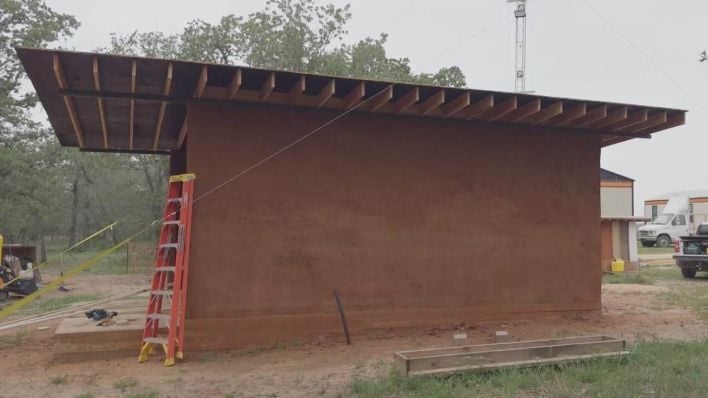
What makes the Texas "Proto-Town" project unique is that it is happening right now, albeit at a small scale.Terran is aiming to move from a single build to more than 20 homes over the next year. The tech has proven that it works, but there's the matter of the process surviving the realities of permitting, neighborhood expectations, weather, and scale.





