


NASA's 3,200-Pound Telescope Is About To Blaze Across Earth's Sky In A Fiery Plunge


Launched in November 2004, the 3,200-pound spacecraft transformed our understanding of the cosmos by tracking gamma-ray bursts, the most violent explosions in the universe. Equipped with a trio of instruments including an X-ray telescope and an ultraviolet/optical telescope, Swift could swivel toward a cosmic blast within seconds of detection, capturing fleeting afterglows that may have slipped past astronomers. Originally planned as a two-year mission, Swift far exceeded expectations, contributing data to roughly 7,000 scientific papers and reshaping high-energy astrophysics.
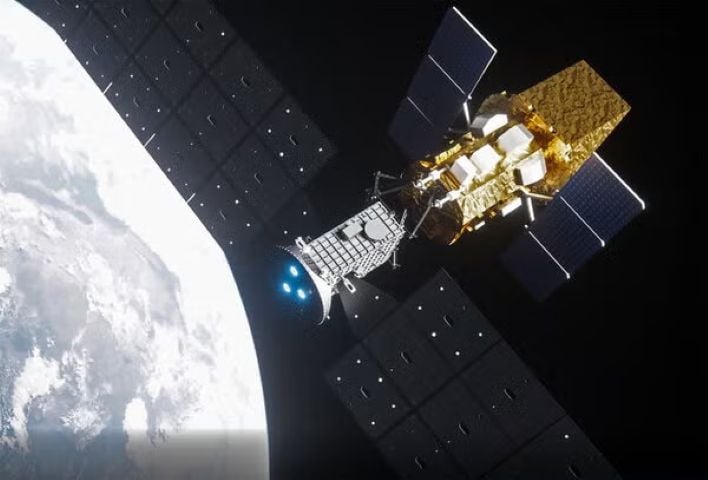
However, increased solar activity over recent years has heated Earth’s upper atmosphere, causing it to expand and exert heavier drag on low-altitude satellites. And since Swift lacks a propulsion system, it has steadily been losing altitude. A $30 million commercial robotic mission by Katalyst Space Technologies (via the LINK craft) attempted to service and boost the aging observatory back to safety. Unfortunately, that rescue effort failed, and thus, Swift's fate was sealed.
Nevertheless, heavy components containing refractory materials like tungsten and portions of its precision mirrors could withstand the thermal onslaught. NASA officials note that any surviving debris will likely span a wide footprint, albeit restricted between 20.6 degrees south and 20.6 degrees north latitude, a corridor that covers open oceans and sparsely populated terrain. NASA and Space Force state that risk of harm to anyone on the ground is extremely low.
As of this writing, NASA has made no intent on a direct replacement for Swift, due in part to reductions in NASA's science budget. Without Swift, space astronomy loses a key tool in time-domain/first responder observations.