



NASA Unveils Plan To Build Mars-Bound Ships And A Permanent Moon Base


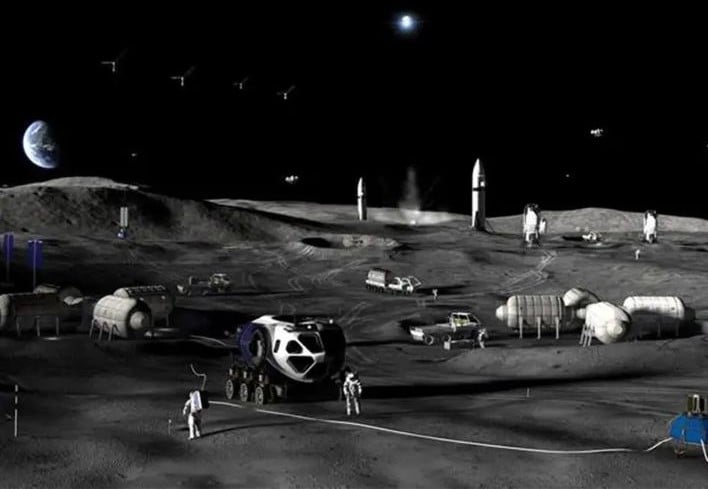
In a broad reorganization of the United States' lunar ambitions, NASA has effectively canceled Lunar Gateway, the planned space station that was to orbit the moon, in favor of a $20 billion permanent surface base. Furthermore, plans for a Mars-bound nuclear-powered spacecraft were also revealed.
Announced by NASA Administrator Jared Isaacman during the agency’s "Ignition" event, the decision to sideline Gateway, which was already in advanced stages of construction with contractors like Northrop Grumman, stems from a need to simplify mission architecture and accelerate the timeline for a human presence. By removing the need for an orbital "transfer station," NASA aims to streamline the path for lunar landers to travel directly from Earth’s orbit to the moon’s surface. Another way to look at this is that American leadership wants to ensure that the country is ahead in the lunar race, particularly as China moves towards a 2030 lunar landing.
The new roadmap outlines a three-phase approach to building the lunar base over the next seven years. The first phase, "Build, Test, Learn," will utilize an increase in robotic missions through the Commercial Lunar Payload Services (CLPS) program, targeting up to 30 landings starting in 2027. These missions will deliver essential technology such as the Lunar Terrain Vehicle and power generation systems, to the lunar south pole.
On top of the moon base, the Ignition initiative revealed NASA's plans to launch "Space Reactor-1 Freedom" before the end of 2028, the first nuclear-powered interplanetary spacecraft. The spacecraft will eventually deploy a fleet of helicopters to explore the Martian surface, something first accomplished by the Ingenuity drone.
Proponents of Gateway argue that an orbiting station provided a safer haven for crews in the event of surface emergencies and served as a crucial testing ground for the life-support systems needed for the multi-year journey to Mars. NASA, however, maintains that the lessons learned from building a modular base on the lunar surface are more directly applicable to the challenges of the Martian environment.





