



Microsoft Knows Windows 11 Apps Use Too Much RAM And Vows A Fix


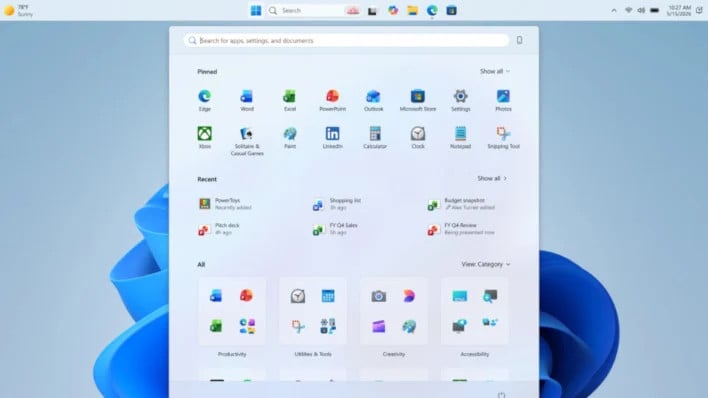
Besides the Start Menu, it's not yet clear how many Windows components will be moved over to WinUI from React. The Start Menu and Agenda view within notifications are the only confirmed changes for now, and Microsoft is hoping that "a lot of third-party developers" will start adopting WinUI as well. Since the native WinUI framework promises improved performance compared to React, we're hoping that most if not all of the current React-based components of Windows 11 make the switch.
Microsoft does want to make the process easier for developers, though. In addition to all the WinUI changes already promised, Microsoft is also developing AI tools to assist with WinUI development, and reaffirming its commitment to its use long-term. In fact, new versions of the WinUI framework will no longer be numbered (the current version being WinUI 3, released four years ago,) indicating that "we have no intention of building a new framework." This should make it easier for developers to justify pivoting to WinUI and supporting it for their Windows applications.
While we're confident that utilizing WinUI will provide a performance boost (particularly on lower-end PCs,) the change in memory footprint will vary. But as WindowsLatest points out, performance isn't solely related to memory usage: there's also higher latency due to WinUI not yet being integrated with the system compositor, and even screen tearing when adjusting window sizes. The WinUI overhaul and optimization should fix both of these issues and make Windows 11 more responsive all around.




