



Microsoft Extends Windows 10 Security Support Until 2027 For Millions


Standard support for Windows 10 wrapped up on October 14, 2025, so this stretches the safety net by roughly two more years. Nobody should expect new features, a fresh interface, or surprise performance gains, though. Instead, think of ESU as a digital hazmat suit. It keeps malware at bay while a person lines up an upgrade plan, even for those weighing workarounds that sidestep the TPM 2.0 and Secure Boot checks to reach Windows 11 on older hardware, and that is the entire job.
Normally Microsoft reserves post-support patching for organizations with enterprise budgets. This round bends that habit. Consumers get three ways in, and two of them cost nothing. The free path opens for anyone willing to back up and sync PC settings to a Microsoft Account. People wary of syncing can cash in 1,000 Microsoft Rewards points instead, finally putting all those Bing searches to work. Option three is a flat $30 payment for folks who skip syncing and lack the points. A single license then covers as many as 10 devices tied to one Microsoft Account, which helps households running a small fleet.
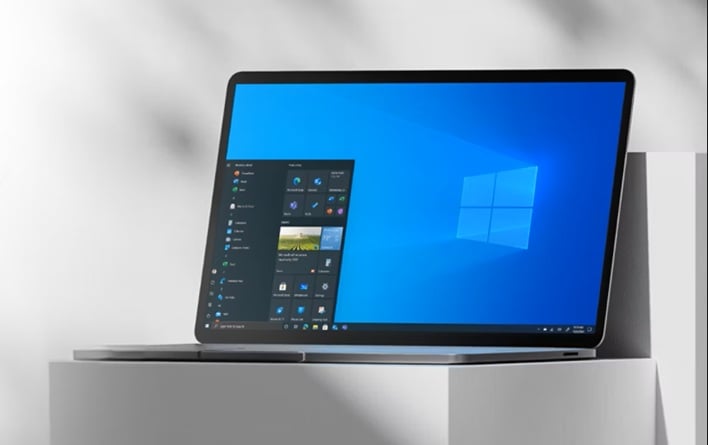
Before rushing to Windows Update, a person should confirm the rig clears every hurdle, because this consumer tier stays picky. The machine has to run Windows 10 version 22H2 in its Home, Professional, Pro Education, or Workstations edition, with the latest update installed. The account used to enroll must be a Microsoft Account with administrator rights, and it cannot be a child account. Sign in with a local account and Windows will simply prompt for a Microsoft Account first. Any PC joined to an Active Directory domain or Microsoft Entra, or managed through an MDM deployment, falls under commercial pricing instead, though Entra-registered devices still qualify for the consumer route.
Call this what it really is. A tactical retreat. Windows 11's rigid requirements stranded a staggering number of capable, high-end rigs running perfectly competent processors, and Microsoft clearly decided that handing that slice of the computing world to botnets and zero-day exploits was a bad look. Pragmatism beat brute force. For someone on an older gaming rig or workstation that cannot make the official jump, enrolling through the free backup sync comes close to a no-brainer. It pushes the practical expiration date of that hardware out to late 2027.
The clock keeps ticking, though, and this reads like the final line in the sand. When October 2027 rolls around, the choice narrows to a new motherboard and CPU, or a long, honest look at Linux.





