



Microsoft Authenticator Update Bans Rooted Android And Jailbroken iPhones


The distinction matters here. This isn't Microsoft cracking down on personal Microsoft accounts or the garden-variety two-factor codes someone might have added for a random shopping site. The target is specifically Microsoft Entra credentials, the identity system that underpins sign-ins for businesses, schools, and Microsoft 365 setups everywhere. Microsoft's support page confirms the feature needs no configuration from IT departments and leaves personal accounts untouched, so this is happening automatically in the background whether an organization wants it or not.
The rollout has been underway for months. Microsoft says detection began appearing in February 2026, with Android coverage reaching general availability near the end of that month and iOS following in April. Both platforms are expected to be fully covered around the middle of this year. The official wording is fairly tame, describing accounts as simply blocked. But reports paint a more layered process, starting with a warning, moving to a lockout, and eventually ending with removal of the Entra credential from the device altogether. The practical outcome lands in the same place regardless of which version turns out to be precisely accurate. A modified phone won't be a dependable tool for work sign-ins anymore.
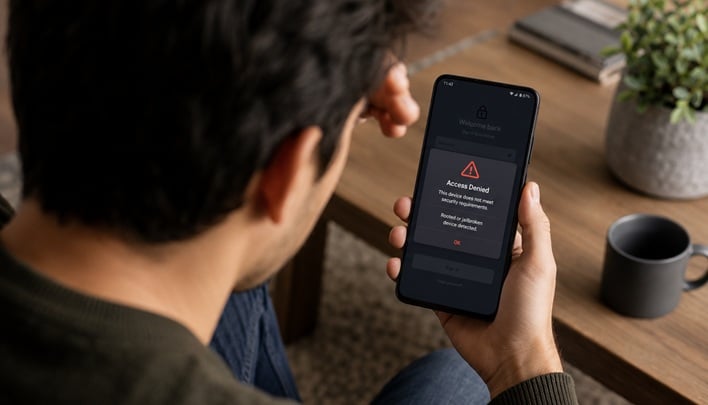
There's an unfortunate side effect for Android users who never touched root access in the first place. Microsoft's troubleshooting page notes that work and school accounts require Google Play Services and the Play Store to be installed and running, plus push notifications enabled. That creates a real headache for anyone on a Huawei device or similar hardware lacking Google’s services baked in, since a Microsoft Q&A response acknowledges those phones can get flagged as non-compliant even without a hint of rooting involved.
Privacy-minded Android users face a similar squeeze. A Microsoft spokesperson confirmed Authenticator isn't officially supported on GrapheneOS, meaning Entra accounts there risk getting swept up in the rooted-device dragnet despite GrapheneOS being a security-focused project rather than some hacked together workaround. Microsoft says it relies on local health and anti-tampering checks to identify unauthorized root access but won't detail the specific detection methods, presumably to keep people from finding ways around them.
For anyone who gets locked out, Microsoft's guidance is straightforward. Start by reaching out to the organization's IT support team. That likely means restoring the phone to stock firmware, switching to an unmodified device for work purposes, or asking about alternative authentication methods like a hardware security key. Rooted and jailbroken phones aren't disappearing, but their usefulness for the work-and-school side of life just shrank considerably.





