



LinkedIn Is By Far The Most Spoofed Brand For Phishing Cyber Attacks


Back in January, we covered a phishing report by Check Point that placed DHL as the number one most-imitated brand in phishing attacks for the fourth quarter of 2021. DHL spoofs, representing 23% of global phishing attacks, passed Microsoft spoofs, which sat at 20%. However, Check Point just released its phishing report for Q1 2022, and a new king has emerged with a considerable lead.

According to Check Point’s report, LinkedIn spoofs shot up from just 8% to a dominating 52%, representing over half of all reported phishing attacks. The percentage share of almost all other spoofs that appears on last quarter’s report shrank in response, with the exception of FedEx spoofs, which increased from 3% to 6%. Maersk and AliExpress spoofs also increased enough to land among the top ten, pushing Roblox and Paypal off the list. The share of Microsoft (6%) and WhatsApp (4%) spoofs fell pretty significantly from last quarter, as well.
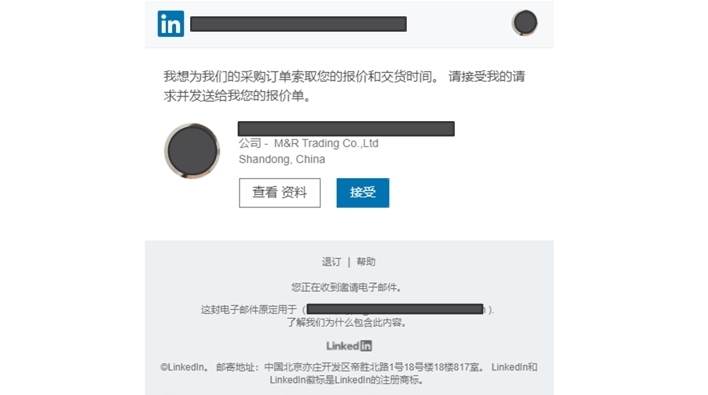
Phishing attacks present users with messages or web portals that appear to come from legitimate authorities or services in order to trick users into revealing sensitive information or installing malware. The above image shows a phishing email disguised as an email from LinkedIn. The email directs the user to click on a link that redirects the user to a malicious website that can be seen below.
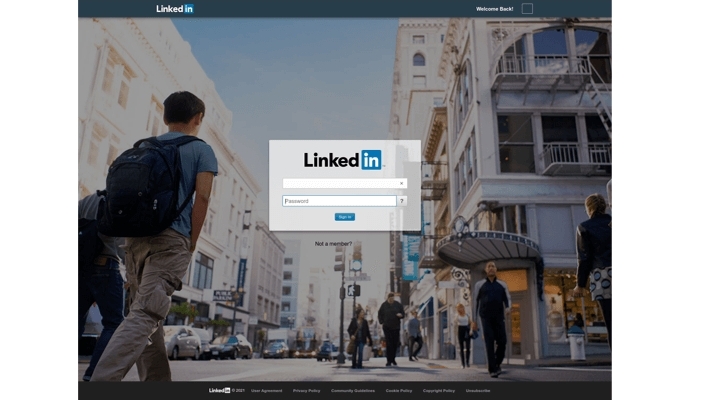
Users who visit the malicious website are greeted by what appears to be a legitimate LinkedIn login page. However, the page actually exists to steal victims’ LinkedIn account credentials once entered. It’s important to operate with a healthy level of skepticism while on the Internet, or else you might be caught unaware by a phishing attack.
You can read more about phishing attacks in the most recent quarter in Check Point’s report.
You can read more about phishing attacks in the most recent quarter in Check Point’s report.



