



Killjoy Study Claims Using Emojis At Work Is Totally Unprofessional


Before your pepper your email or text-based staff chat communication with emojis, be advised that your boss or colleagues will be more prone to view you as incompetent and unprofessional compared to those who do not use emojis. So say researchers from the University of Ottawa, who studied the effects of emoji use on perceptions of competence and appropriateness in the workplace. Someone should tell Apple, which routinely adds more emojis to iOS, sometimes number in the hundreds.
Our reaction to the study is a big ol' poop emoji. We're pretty lax with our informal style of communication at HotHardware, though it's certainly something to consider in workplaces that are more formal, as well as in emails and messages to outside parties that may not share the same lax attitude towards emojis.
"This study highlights the importance of being mindful about the potential impact of emojis on professional interactions," writes lead author Erin L. Courtice from the School of Psychology at the Faculty of Social Sciences at uOttawa. "Emojis are not simply neutral add-ons to text messages; they can influence how others perceive us, particularly in terms of competence and appropriateness. By understanding the nuances of emoji use, professionals can leverage these digital tools to enhance their communication and build stronger workplace relationships."
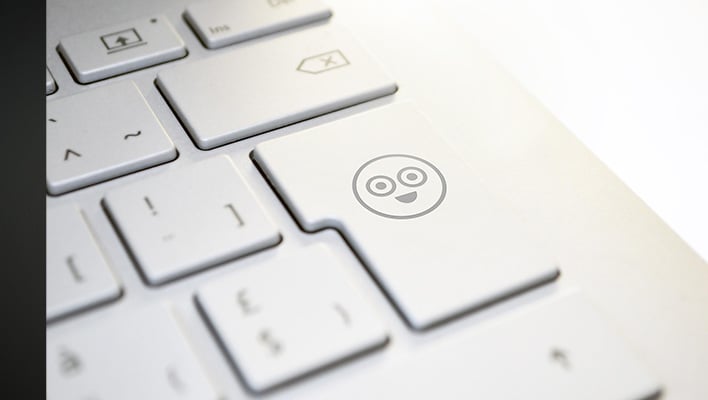
For those who insist on using those colorful characters that are so commonplace today, the type of emoji matters and varies with the tone of the message, according to the study. It found that positive emojis enhanced impressions when paired with a neutral or positive message, whereas negative emojis were consistently viewed as inappropriate in the workplace, making the senders appear less competent, particularly when the message is neutral or positive.
Competence is not the only concern. Including positive emojis can create a sense of dishonesty or come across as insincere when attempting to soften bad news or critical feedback. At the same, time, going in the opposite direction and attaching a negative emoji to the same types of messages can have an adverse effect on how the recipient views the sender.
Likewise, including a positive emoji to a positive message was found to not increase the perception of appropriateness. The tone of the message matters more, and including an emoji can actually deter an employee from collaborating on future projects, according to the study.
"The perception of emotional displays in professional settings is influenced by the gender of both the sender and receiver due to societal expectations and gender role stereotypes that shape communication styles and interpretations. These stereotypes can create a double bind for women in the workplace, who may be perceived as less likable when assertive and less competent when warm," the study states.
It's an interesting topic given how prominent emojis have become in today's landscape. Courtice notes that future research should look at the broader effect of emojis, including the impact they have on conversation flow, building rapport, conflict resolution, and other factors.




